
TL;DR, Quick Answer
13 min readThe universal safe zone across TikTok, Instagram Reels, and YouTube Shorts is 900x1400 pixels centered in a 1080x1920 frame. Design within this area to ensure text, faces, and CTAs stay visible on every platform.
This guide explains the topic Social media vertical video safe zones with practical context. Protect text, faces, and calls to action with social media safe zones sized for TikTok, Instagram Reels, Stories, and YouTube Shorts in 2026.
This is the definitive technical reference for social media safe zones (sometimes called the content safe area) on TikTok, Instagram Reels, Stories, and YouTube Shorts. You will find precise TikTok video dimensions, Reels dimensions 2026, device-specific variations, and instructions for using our free preview tools to check your content before publishing.
Key strategies
Every platform uses a 1080x1920 pixel canvas, but the portion that actually remains visible is considerably smaller:
| Platform | Safe Zone | What Gets Blocked |
|---|---|---|
| TikTok | 900x1492 px | Captions, profile icon, like/comment/share buttons |
| Instagram Reels | 996x1400 px | Caption bar, audio label, engagement buttons |
| Instagram Stories | 1080x1620 px | Profile bar, reply field |
| YouTube Shorts | 984x1500 px | Subscribe button, channel name, description |
Cross-platform safe zone (guaranteed visible everywhere): 900x1400 pixels, centered on the canvas.
Understanding Social Media Safe Zones
A safe zone (also referred to as the "action-safe area") is the central portion of your vertical video where critical visual elements -- text overlays, faces, brand marks, CTAs -- remain completely unobstructed by platform interface components such as:
- Profile images and usernames
- Like, comment, and share buttons
- Automatically generated captions
- Audio/sound attribution labels
- Ad-related call-to-action buttons (for sponsored posts)
Although every major platform recommends a 9:16 aspect ratio at 1080x1920 pixels, the portion viewers actually see is substantially smaller, varying based on the viewer's device, how long the caption is, and whether the content is organic or a paid advertisement.
Publishing without verifying your safe zone is comparable to designing a poster and crossing your fingers that the key information is not obscured by scaffolding. In 2026, with AI-generated subtitles, dynamically positioned ad placements, and various screen notch designs, the hidden areas are both larger and less predictable than in previous years.
TikTok Safe Zones 2026: Navigating the Complexity
Core TikTok Dimensions
- Upload Resolution: 1080x1920 pixels (9:16 aspect ratio)
- Central Safe Zone: 900x1492 pixels
- Top Blocked Area: 108 pixels (profile picture, "Follow" button)
- Bottom Blocked Area: 320 pixels (captions, engagement buttons, sound)
- Left Blocked Area: 60 pixels (edge margin)
- Right Blocked Area: 120 pixels (like, comment, share stack)
What Makes TikTok's Safe Zone Particularly Challenging
TikTok's 2026 interface introduces three significant UI obstacles:
- Variable Caption Height: A brief one-line caption occupies roughly 80 pixels at the bottom. A multi-line caption with hashtags can consume 250 pixels or more. Your effective safe zone shrinks proportionally with the length of your text.
- Ad CTA Buttons: TikTok ads include a "Shop Now" or "Learn More" button that adds an additional 50 pixels of blocked space at the bottom (370px total). When producing paid content, plan for a 900x1442 safe zone.
- Screen Cutout Differences: iPhone 14 Pro and later models (featuring Dynamic Island) reduce the top safe area by approximately 40 extra pixels. Older Android phones with traditional notches cost around 30 pixels.
TikTok Design Guidelines
- Position faces, brand marks, and text horizontally between pixels 60 and 960, and vertically between pixels 108 and 1600
- Never place call-to-action elements in the lowest 320 pixels (or 370px if running ads)
- Always preview on both notched and notch-free devices
- For paid campaigns, assume a 900x1442 pixel safe area (50px less vertical room)
Try our free TikTok Safe Zone Checker to preview your video with actual TikTok UI overlays before publishing.
Related: How to Schedule TikTok Posts in 2025 | Best Time to Post on TikTok
Instagram Reels & Stories Safe Zones 2026
Instagram maintains two separate safe zone configurations for Reels versus Stories. In 2026, the interface differences between these two formats have become more substantial than ever.
Safe Zone for Instagram Reels
- Upload Resolution: 1080x1920 pixels
- Central Safe Zone: 996x1400 pixels
- Top Blocked Area: 210 pixels (profile picture, "Follow" button, options menu)
- Bottom Blocked Area: 310 pixels (caption, audio, engagement buttons)
- Right Blocked Area: 84 pixels (affects text and buttons near the edge)
The bottom UI on Instagram Reels in 2026 is particularly aggressive, especially in these situations:
- Auto-generated or custom captions are turned on
- The trending sound has a lengthy name
- Location or product tags are included
- The Reel features a "View Products" or "Learn More" button
When creating Reels intended for both feed display and the Explore page, use the most conservative safe zone: 996x1400 pixels, centered.
Safe Zone for Instagram Stories
- Upload Resolution: 1080x1920 pixels
- Central Safe Zone: 1080x1620 pixels
- Top Blocked Area: 100 pixels (profile photo, time indicator, close button)
- Bottom Blocked Area: 200 pixels (reply bar, share button)
Stories provide more breathing room than Reels, though the top and bottom edges remain restricted. Instagram's 2026 update introduced "Add to Story" stickers that appear dynamically, so it is wise to leave a minimum of 300 pixels of margin on every edge to accommodate interactive elements.

AdaptlyPost
Start 7-Day FREE Trial
All-platform analytics
Social Inbox
AI-powered assistant
Instagram Design Guidelines
- For Reels, keep text horizontally between pixels 0 and 996, vertically between pixels 210 and 1610
- For Stories, keep text and faces vertically between pixels 100 and 1720 (full horizontal width is usable)
- Preview with lengthy audio names (they expand the bottom UI)
- Test on both iOS and Android (Android's navigation bar adds an extra 48 pixels)
- Do not place CTAs within the bottom 310 pixels of Reels
Try our free Instagram Safe Zone Checker to preview both Reels and Stories with up-to-date 2026 UI overlays.
Related: How to Schedule Instagram Reels | Instagram Image Size Guide | Best Time to Post on Instagram | Instagram Post vs Story vs Reel | How to Post a Long Video on Instagram
YouTube Shorts Safe Zones 2026
Among the three major short-form platforms, YouTube Shorts has the most streamlined interface, yet it still contains critical blocked areas that shift depending on how the viewer interacts with the content.
Core YouTube Shorts Dimensions
- Upload Resolution: 1080x1920 pixels (9:16 aspect ratio)
- Central Safe Zone: 984x1500 pixels
- Top Blocked Area: 120 pixels (minimal by default, grows on notched devices)
- Bottom Blocked Area: 300 pixels (channel name, subscribe button, audio, description)
- Right Blocked Area: 96 pixels (engagement button stack)
Why YouTube Shorts Are Simpler: But Still Tricky
YouTube Shorts in 2026 operates in two primary UI states:
- Swipe Mode (Full-Screen): The interface is minimal aside from the bottom 300 pixels. This is the standard viewing experience for most users.
- Expanded Mode (Description Open): Tapping the description pushes the blocked zone to 360 pixels at the bottom. A CTA positioned at pixel 1560 will become hidden when someone opens the description.
The subscribe button has also grown larger and more prominent in 2026, occupying roughly 180x80 pixels at the bottom-left corner. Any logo or text placed there will be partially covered.
YouTube Shorts Design Guidelines
- Place all essential text and faces horizontally between pixels 0 and 984, vertically between pixels 120 and 1620
- Steer clear of the bottom-left corner (subscribe button overlap)
- Design with the expanded description in mind (360px bottom margin for that mode)
- Preview on iPhones with Dynamic Island (adds an extra 40px top dead zone)
- For landscape footage cropped to 9:16, make sure faces are vertically centered
Try our free YouTube Shorts Safe Zone Checker to preview your Short with realistic bottom UI and subscribe button overlays.
Related: How to Schedule YouTube Shorts | Best Time to Upload a YouTube Video
Complete 2026 Safe Zone Reference Table
This table provides pixel-precise technical specifications for all major platforms. Save it for quick reference.
| Platform | Recommended Resolution | 2026 Safe Zone (Central Area) | UI Elements to Avoid |
|---|---|---|---|
| TikTok | 1080x1920 px | 900x1492 px | Bottom 320px (captions), Right 120px (icons), Top 108px (profile), Left 60px (margin) |
| Instagram Reels | 1080x1920 px | 996x1400 px | Top 210px (profile), Bottom 310px (caption/audio), Right 84px (buttons) |
| Instagram Stories | 1080x1920 px | 1080x1620 px | Top 100px (profile), Bottom 200px (reply bar) |
| YouTube Shorts | 1080x1920 px | 984x1500 px | Bottom 300px (channel/subscribe), Right 96px (buttons), Top 120px (minimal) |
| Facebook Reels | 1080x1920 px | 1080x1520 px | Bottom 300px (profile/share), Top 100px (back button) |
| LinkedIn Video | 1080x1920 px | 1010x1720 px | Top 100px (profile), Bottom 100px (engagement) |
| Pinterest Idea Pins | 1080x1920 px | 1000x1700 px | Bottom 220px (save button), Top 100px (profile) |
Note: These figures represent conservative calculations based on the smallest commonly encountered safe zone across device types. Some newer handsets (iPhone 16 Pro Max, Samsung Galaxy S24 Ultra) may provide slightly more visible area, but designing for the smallest target guarantees compatibility everywhere.
Why "9:16" Alone Is Insufficient: A Technical Deep Dive
Most tutorials simply advise creators to "use 1080x1920 and you are set." While that resolution is correct for uploading, the viewable area on screen is never actually 1080x1920. Here is why.
1. Screen Aspect Ratio Differences
The 9:16 standard assumes a uniform screen shape, but real-world devices vary considerably:
- iPhone 16 Pro Max: 19.5:9 aspect ratio (taller than standard 9:16)
- Samsung Galaxy S24 Ultra: 20:9 aspect ratio (taller still)
- iPhone SE (3rd Gen): 16:9 aspect ratio (wider relative to height)
- Older Android phones: True 9:16 (1080x1920)
When you upload 1080x1920 content to TikTok and someone views it on an iPhone 16 Pro Max, the platform either adds black bars (letterboxing) or center-crops the video depending on your export settings. In both cases, what actually appears on screen shifts.
Recommendation: Design for the most restrictive safe zone (900x1400px across TikTok/Reels, 984x1400px for YouTube/Instagram) and let each platform handle the cropping. Keep critical content inside these boundaries at all times.
2. Organic vs. Paid Content Interface Differences
Paid posts display different UI overlays compared to organic content:
- TikTok Ads: A "Shop Now" or "Learn More" button at the bottom adds 50 extra pixels (370px total bottom margin)
- Instagram Sponsored Reels: A "Sponsored" label plus a "Learn More" button reduces the safe zone by approximately 80 pixels
- YouTube Shorts Ads: A "Skip Ad" or "Visit Site" button appears at the bottom
Running paid campaigns requires designing for an even tighter safe zone than organic posts. A common mistake is producing one creative asset and using it for both purposes, only to discover that the CTA gets covered in the ad version.
AdaptlyPost
Start 7-Day FREE Trial
All-platform analytics
Social Inbox
AI-powered assistant
Recommendation: Either produce two separate versions of your video or design from the start using the more restrictive paid dimensions.
| Platform | Organic Safe Zone | Ad/Paid Safe Zone | Additional Blocked Space from Ads |
|---|---|---|---|
| TikTok | 900x1492 px | 900x1442 px | +50px bottom (CTA button) |
| Instagram Reels | 996x1400 px | 996x1320 px | +80px bottom (Sponsored label + CTA) |
| YouTube Shorts | 984x1500 px | 984x1440 px | +60px bottom (Visit Site button) |
3. How Caption Length Impacts Visible Area
AI-generated captions are now enabled by default in 2026 on TikTok, Instagram Reels, and YouTube Shorts. The height these captions occupy depends on these factors:
- Text length: A 10-word caption uses about 80 pixels; a 40-word caption can require 250 pixels
- Font size settings: Users who increase caption size through accessibility options may see captions up to 150% larger
- Language: Languages with characteristically long words (such as German or Finnish) produce taller caption blocks
- Hashtag count: Instagram captions containing five or more hashtags push the caption area higher
Recommendation: When positioning text overlays, assume captions will be on the taller side (250-300 pixels). Use our safe zone checker tools to preview your content with extended captions enabled.
4. Notches, Dynamic Islands, and Punch-Holes
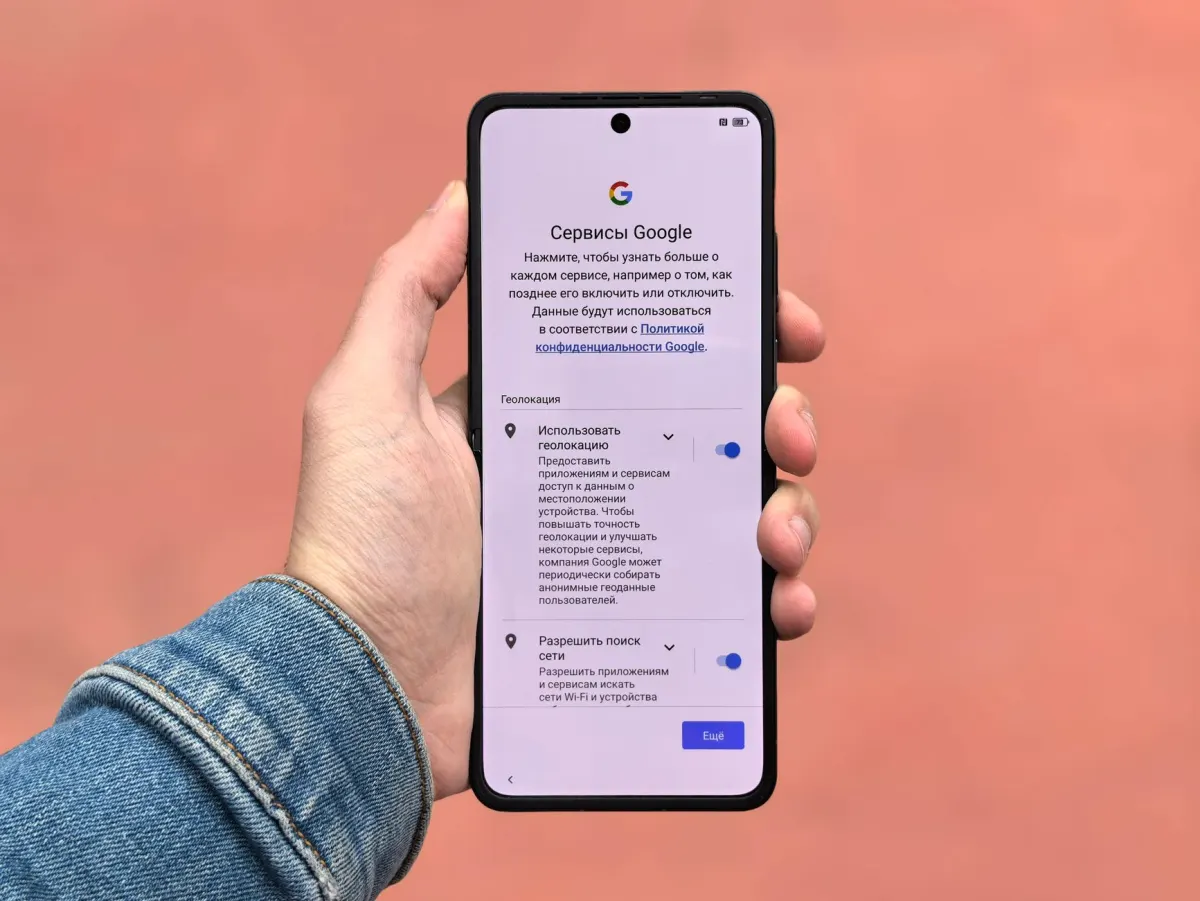
Modern phone screens in 2026 feature three types of top-edge hardware obstructions:
- Notch (iPhone X through iPhone 13): Creates 30-40 pixels of top dead space
- Dynamic Island (iPhone 14 Pro and newer): Takes 40-50 pixels and grows larger during active alerts
- Punch-Hole (Most Android phones): Uses 20-30 pixels, typically positioned off-center
Each platform compensates for these obstructions by nudging content downward slightly, which effectively reduces your top margin by 30-50 pixels depending on the device.
Recommendation: Add an extra 50 pixels of padding above your designed safe zone. Target pixel 230 instead of pixel 180 as your upper boundary to accommodate the full range of device cutouts.
5. Ongoing Platform Interface Changes
TikTok, Instagram, and YouTube each release multiple UI updates annually that shift safe zone boundaries. Recent changes include:
- TikTok (January 2026): Introduced an "Add to Playlist" button at the bottom-right, expanding the right dead zone by 20 pixels
- Instagram Reels (Late 2025): Enlarged the audio attribution bar, increasing the bottom blocked area by approximately 50 pixels
- YouTube Shorts (Late 2025): Increased the subscribe button size by 30%, expanding the bottom-left dead zone
These ongoing changes mean safe zones are constantly moving targets. Templates and guides from even six months ago may already be outdated.
Recommendation: Rely on our regularly refreshed safe zone checker tools (updated monthly to reflect the latest platform interfaces) rather than depending on static templates or older reference material.
Free Safe Zone Preview Tools (Current for 2026)
We have developed three free tools for previewing your vertical videos against real platform UI overlays:
TikTok Safe Zone Checker
Upload your 1080x1920 video and see it with TikTok's current 2026 interface -- profile picture, engagement buttons, captions, and sound attribution. Experiment with different caption lengths and device configurations.
Open TikTok Safe Zone Checker
Instagram Safe Zone Checker
Preview your content rendered as both a Reel and a Story. Observe how Instagram's bottom caption area, audio label, and engagement buttons overlay your video. Test with lengthy audio names and hashtag-heavy captions.
Open Instagram Safe Zone Checker
AdaptlyPost
Start 7-Day FREE Trial
All-platform analytics
Social Inbox
AI-powered assistant
YouTube Shorts Safe Zone Checker
Preview your Short using YouTube's 2026 interface including the subscribe button, channel name, and description area. Toggle the expanded description to see how the bottom blocked area grows.
Open YouTube Shorts Safe Zone Checker
All three tools are completely free with no registration required and are updated monthly to track the latest platform interface changes.
Downloadable Safe Zone Overlay Templates
If you prefer working in your own editing software, each checker tool page provides a downloadable transparent PNG overlay at 1080x1920 pixels. Drag it into Premiere Pro, DaVinci Resolve, CapCut, Canva, or any layer-supporting editor. Place the overlay above your video timeline to verify safe zones frame by frame during the editing process -- well before you upload anything.
Planning to schedule your content after verifying safe zones? Check out our guide on scheduling Instagram Reels vs TikTok videos for platform-specific workflow tips.
Pre-Publishing Safe Zone Checklist for 2026
Run through this list before posting any vertical video to TikTok, Instagram, or YouTube:
- Canvas dimensions: 1080x1920 pixels (9:16 aspect ratio)
- TikTok: Key elements positioned horizontally between 60-960px, vertically between 108-1600px
- Instagram Reels: Key elements positioned horizontally between 0-996px, vertically between 210-1610px
- YouTube Shorts: Key elements positioned horizontally between 0-984px, vertically between 120-1620px
- Bottom margin verified: No CTAs or brand marks in the bottom 320px (TikTok), 310px (Instagram Reels), or 300px (YouTube Shorts)
- Caption test completed: Previewed with an extended caption (30+ words) to check for overlapping content
- Device test completed: Previewed on both iOS and Android
- Ad-ready: If producing paid content, safe zone reduced to 900x1442px (TikTok Ads)
- Final preview: Checked using one of our free safe zone checker tools
Frequently Asked Questions
What are TikTok's safe zone dimensions in 2026?
TikTok's safe zone in 2026 measures 900x1492 pixels centered within a 1080x1920 frame. This central area avoids the profile UI at the top (108px), caption and engagement overlays at the bottom (320px), the left margin (60px), and the interaction button stack on the right (120px). For TikTok Ads, reduce the safe zone to 900x1442 pixels to accommodate the CTA button (370px bottom margin).
How do Instagram Reels and Stories safe zones compare?
Instagram Reels allow a safe zone of 996x1400 pixels because of the bottom caption, audio attribution, and right-side engagement buttons (310px and 84px respectively). Instagram Stories offer a more generous safe zone of 1080x1620 pixels with only 100px blocked at the top and 200px at the bottom, and full horizontal width remains available.
Why does my text appear covered on some phones but not others?
Phones have different screen aspect ratios (19.5:9, 20:9, 16:9) and varying top-edge hardware (notches, Dynamic Island, punch-holes). Each platform adjusts your video through center-cropping or letterboxing to fit the specific device, which shifts the visible frame. Designing for the most restrictive safe zone ensures your content looks correct on every device.
How much bottom clearance should I leave for captions?
Reserve at least 300-350 pixels at the bottom for TikTok and Instagram Reels, particularly if AI-generated captions are active or you use lengthy hashtag strings. For YouTube Shorts, 300 pixels covers the channel name and subscribe button area.
Are safe zones different for organic versus paid content?
Yes, significantly. Sponsored content adds UI elements like "Shop Now" and "Learn More" buttons that consume additional pixels at the bottom. Paid campaigns require tighter safe zones: TikTok Ads need 900x1442px (370px bottom margin versus 320px for organic), and Instagram Sponsored Reels reduce the available area by around 80 pixels.
What happens when I upload 4:5 or 1:1 content to TikTok?
TikTok and Instagram will add black bars (letterbox) your content to fit the 9:16 feed layout. This shrinks the visible area and makes your video less immersive in the full-screen scrolling experience. Export all vertical content in 9:16 for TikTok, Reels, and Shorts.
Can I reuse the same video file across TikTok, Instagram, and YouTube?
You can, but preview it on each platform first using our safe zone tools. While all three platforms use 9:16, their blocked areas differ. TikTok allows 900x1492px with left and right margins, Instagram Reels offers 996x1400px with right-side buttons, and YouTube Shorts provides 984x1500px with a large subscribe button. For universal compatibility, design within the 900x1400px common area.
How frequently do safe zone specifications get updated?
Major platforms update their interface three to five times annually. Throughout 2025 and into 2026, TikTok, Instagram, and YouTube have all introduced new buttons, relocated engagement icons, and modified caption layouts. Our safe zone checker tools are updated monthly to reflect every confirmed change.
What is the single safe zone that works everywhere?
The smallest shared safe zone across TikTok, Instagram Reels, and YouTube Shorts is 900x1400 pixels, centered in a 1080x1920 frame. Keeping all text, faces, logos, and CTAs within this area guarantees nothing gets obscured by UI elements on any major short-form video platform. This is the safest strategy for creators who publish the same video across multiple networks. Plan those exact dimensions before you shoot with our free aspect ratio calculator, then schedule the same video to every platform from one place.
AdaptlyPost
Start 7-Day FREE Trial
All-platform analytics
Social Inbox
AI-powered assistant
How do I add a safe zone overlay in CapCut or Premiere Pro?
Download a safe zone overlay PNG (a transparent image with marked dead zones) from any of our free checker tool pages. In CapCut, import the PNG as a layer above your video and lower its opacity to around 50%. In Premiere Pro, place the PNG on a video track above your footage, set the blend mode to Multiply or reduce opacity, and use it as a visual reference while editing. Remove the overlay layer before rendering your final export.
Do these safe zone rules apply to Instagram carousel posts and feed videos?
Safe zones are primarily relevant for full-screen vertical formats -- Reels, Stories, TikTok, and YouTube Shorts. Standard Instagram feed content (1:1 square or 4:5 portrait) does not suffer from the same overlay issue because it displays within a contained card with the caption below the media rather than on top of it. However, when a feed video opens in full-screen Reels mode (which Instagram increasingly defaults to), the Reels safe zone of 996x1400px applies. For a thorough comparison of Instagram formats, read our guide on Instagram post vs Story vs Reel.
What safe zone should I use for Facebook Reels, LinkedIn video, or Pinterest Idea Pins?
Facebook Reels, LinkedIn Video, and Pinterest Idea Pins are the three additional platforms our reference table covers. Facebook Reels use a 1080x1520 pixel safe zone that avoids the bottom 300px (profile/share) and top 100px (back button). LinkedIn Video's safe zone is 1010x1720 pixels, blocking only 100px top and 100px bottom for profile and engagement icons. Pinterest Idea Pins allow 1000x1700 pixels, staying clear of a 220px save button at the bottom and a 100px profile area at the top.
Key Takeaways
- Upload at 1080x1920, but always design within the most restrictive safe zone (900x1400px covers TikTok, Instagram Reels, and YouTube Shorts)
- TikTok: 900x1492px (organic) or 900x1442px (ads)
- Instagram Reels: 996x1400px, Stories: 1080x1620px
- YouTube Shorts: 984x1500px (standard) or 984x1560px (with expanded description)
- Preview with captions on -- AI subtitles consume 250-350 pixels at the bottom
- Test across device types -- top margins vary by 30-50 pixels depending on Dynamic Island, notch, or punch-hole hardware
- Paid content demands tighter margins -- ad CTAs add 50-80 pixels of additional blocked space at the bottom
- Stay current -- platforms update their UI multiple times each year, shifting safe zone boundaries
- Use our free safe zone checker tools before every publish
Related Reading
Put this into practice with AdaptlyPost
Was This Article Helpful?
Let us know what you think!
See us more often in Google
One click marks AdaptlyPost as a preferred source, so our articles sit higher in your Top Stories, AI Mode, and AI Overviews.
Before you go...
AdaptlyPost
Schedule your content across all platforms
Manage all your social media accounts in one place with AdaptlyPost.
All-platform analytics
Social Inbox
AI-powered assistant
Related Articles
Vertical Video Dimensions for TikTok, Reels, Shorts, and More
9:16 at 1080x1920 is only the starting point. Vertical video dimensions for TikTok, Reels, Stories, Shorts, and Facebook, with safe zones and export specs.
Answered in Context - How to Post a Long Video on Instagram
Limits differ by format, so how to post a long video on Instagram depends on Feed, Reels, Stories, carousel, or Live. Exact durations and upload steps.

Twelve Fields to Fill in a Meta Muse Connector for TikTok Posting
No TikTok connector is listed as of 20 September 2026, so a Meta Muse connector for TikTok posting means a custom one. Twelve keys, privacyLevel required.