
TL;DR, Quick Answer
7 min readLinkedIn lets you add up to 20 photos to one post, and its MultiImage API sets the range at 2 to 20. Each photo has to be 5 MB or less and at least 552 x 276 pixels, with 1080 pixels wide recommended and an aspect ratio between 3:1 and 4:5. The feed shows the set in a grid at a 4:5 maximum, laid out by the first image. A multi image post is a different format from a document post, which holds one PDF, PPT or DOC file of up to 300 pages that people swipe through. LinkedIn only allows MultiImage on organic posts.
How many images can a LinkedIn multi image post have?
A LinkedIn multi image post can have up to 20 photos, and the LinkedIn API requires at least 2. LinkedIn's help article Share photos on LinkedIn says "You can upload a maximum of 20 photos in a multi-photo post," and the photo picker on desktop and mobile notes that "you can select up to 20 images."
The lower bound comes from the API. Microsoft Learn's MultiImage API page defines the format as "a post containing multiple images (minimum of 2 images and maximum of 20 images)." A post with one photo is a single image post, which the API builds with a different content type.
LinkedIn calls the format a "multi-photo post" in the help centre and MultiImage in the API. Both mean one feed post with several photos arranged in a grid.
What are the image specs for a LinkedIn multi image post?
Each photo in a LinkedIn multi image post has to be 5 MB or less and at least 552 x 276 pixels, and LinkedIn recommends 1080 pixels wide. The Share photos on LinkedIn article lists the rules for every photo upload:
| Requirement | LinkedIn's stated value |
|---|---|
| File size | "The size limit for an upload is 5 MB." |
| Minimum size | 552 (w) x 276 (h) pixels |
| Recommended width | 1080 (w) pixels |
| Aspect ratio | 3:1 to 4:5 (width:height) |
| Photos per post | Up to 20 |
| Display ratio in a multi-photo post | 4:5 maximum, for example 640 (w) x 800 (h) |
A photo outside the ratio range is not rejected. LinkedIn says "If the ratio is larger, the image will be centered and cropped to fit the max ratio." The article also warns that "Uploaded photos can't be resized after they have been posted" and "can't be edited after they have been posted," so crop before you publish.
For the pixel sizes LinkedIn uses for single images, profile banners and Page images, see the LinkedIn image dimensions guide.
How does LinkedIn lay out a multi image post?
LinkedIn lays out a multi image post based on the first photo, which sets the grid and gets the most space. The help article says the post "will have a greater visual emphasis on the first image" and that "The layout of the post depends on the height and orientation of the first image uploaded." The rules are:
- Two photos. "Posts with two images will appear side by side, retaining their aspect ratios."
- First photo landscape. "If the first image is landscape or shorter than a 4:3 ratio (or 292px), it will appear at the top, with other images displayed side by side below it."
- First photo portrait or square. "If the first image is portrait, square, or lengthier than a 4:3 ratio (or 292px), it will be shown in the left column, with other images stacked vertically to the right."
- Height cap. "The maximum height of the image container is 4:5. If the images in the first and second rows exceed this height, the images in the bottom row will be cropped to fit."
- Second row. Its height "will be determined by the shortest image in that row," and images in it "will be equally divided in width, and in some cases the images will be cropped to fit."
So the order of the upload is a design decision. Put the photo you most want seen first. Use a landscape first photo for a banner-style grid, or a portrait or square one for a column layout. Photos of mixed heights get cropped, because the second row takes the height of its shortest image. On mobile, LinkedIn has a Reorder option before you post.
One more rule from the same article: "You can share either a URL link or an image in a post, but not both at the same time." A link post gets "a preview image taken from the site being shared," and a photo post cannot carry that preview.
How is a multi image post different from a PDF carousel?
A LinkedIn multi image post shows 2 to 20 photos in a grid, while a document post, the format people call a LinkedIn PDF carousel, shows one uploaded file as pages that people swipe through. They are separate formats with separate upload flows:
| Multi image post | Document post | |
|---|---|---|
| What you upload | 2 to 20 photos | One PPT, PPTX, DOC, DOCX or PDF file |
| Limit | 5 MB per photo | 100 MB and 300 pages |
| How it shows | A grid, first photo emphasized | Pages viewed one at a time |
| Editing after posting | Photos can't be edited | "you can't change or edit the document in the post" |
| Download | Not described | "members who can view your post will be able to download your document as a PDF" |
| API content type | MultiImage, organic only | Documents, organic and sponsored |
The document figures come from LinkedIn's Upload and share documents on LinkedIn article: "The file size cannot exceed 100MB and 300 pages. The following file types are supported: PPT, PPTX, DOC, DOCX, and PDF." The same article asks for flattened PDFs and for "PDFs with multiple sized pages" to be "fit to the same page size."
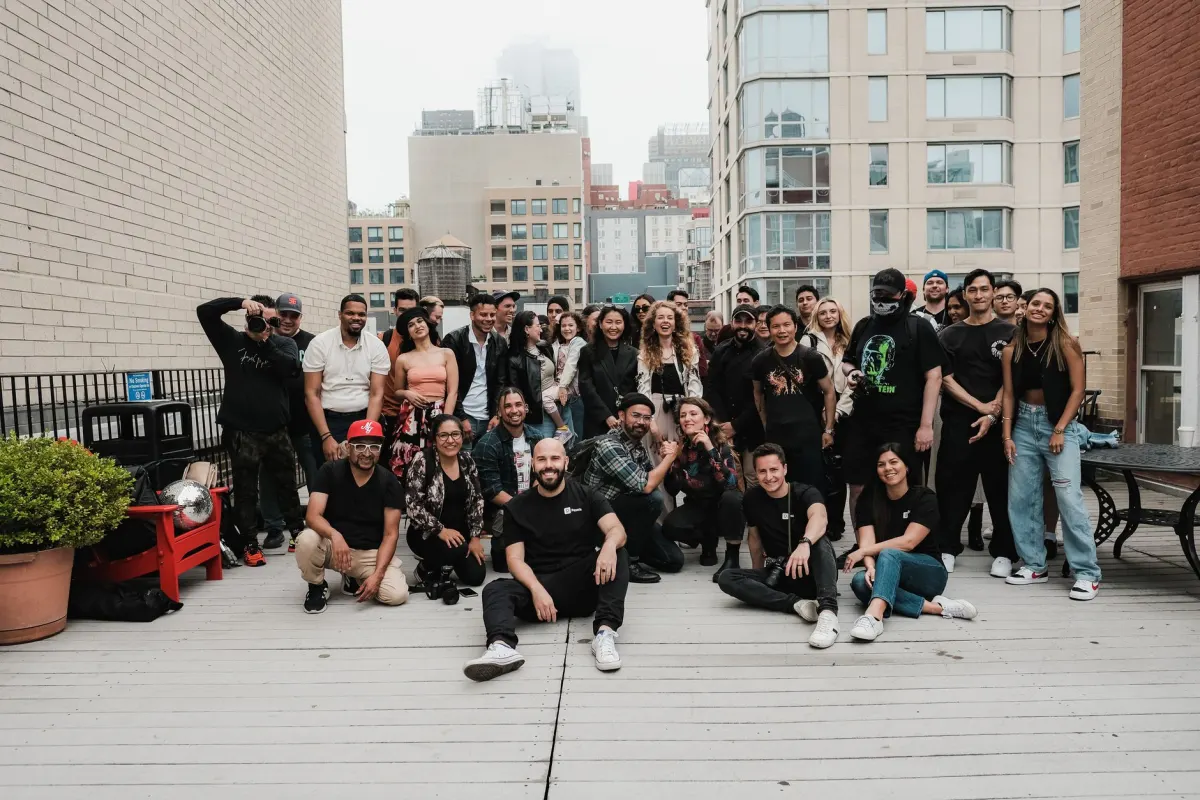
Pick the format by what you are showing. Event photos, product shots and team pictures suit a multi image post. A step-by-step guide, a slide deck or a checklist suits a document post, because people read it page by page. The general guide to carousel posts compares the swipe formats on other networks.
How do you publish a LinkedIn multi image post through the API?
You publish a LinkedIn multi image post through the API by uploading each photo with the Images API to get an image URN, then sending a POST /rest/posts request with a content.multiImage.images array of 2 to 20 of those URNs. The MultiImage API page on Microsoft Learn lists the rules:

AdaptlyPost
Start Your 7-Day Free Trial
All-platform analytics
Social Inbox
AI-powered assistant
- Upload every photo first. "Creating posts with multiple images requires uploading multiple image assets to obtain an Image URN (urn:li:image:{id})." The initializeUpload image URN guide walks through that step.
- Check the files. The API takes "Images with less than 36,152,320 pixels" in "JPG, GIF, and PNG formats," and "GIF format supports up to 250 frames." A 6000 x 6000 photo is 36,000,000 pixels and passes.
- Build the images array. Each entry has an
idwith aurn:li:imageURN and an optionalaltText. The array "Only supports images," with a "Minimum of 2 images and maximum of 20 images." - Add alt text. The
altTextfield has a "Maximum length is 4,086 characters, recommended length is less than 120 characters." The limits for single images are compared in the LinkedIn alt text character limit. - Send the post. A success returns
201 Createdwith the post ID in thex-restli-idheader.
The API keeps this format organic. The MultiImage page says "API partners can only create non-sponsored multiImage posts," and the Posts API content table marks MultiImage as organic "Yes" and sponsored "No." Carousels are the reverse: sponsored only, with the note "Organic carousel is currently not supported." A sponsored post with several images goes through the Carousel API instead.
The MultiImage page publishes a pixel cap and no file size cap, while the help centre sets 5 MB per photo for uploads made in LinkedIn. A photo under 5 MB and 1080 pixels wide or more meets both.
How does AdaptlyPost handle LinkedIn multi image posts?
AdaptlyPost publishes LinkedIn multi image posts of 2 to 20 images to profiles and company Pages, and it does not resize uploaded media, so each photo has to meet LinkedIn's size rules before it is scheduled. In the AdaptlyPost API, a set of photos is a CAROUSEL post with LinkedIn listed as taking 2 to 20 items, and each image can carry alt text of up to 1000 characters, which AdaptlyPost sends to LinkedIn. A PDF carousel is a separate DOCUMENT post: exactly one PDF, PPT, PPTX, DOC or DOCX file with a title of up to 100 characters. Export photos as JPG or PNG, the formats LinkedIn's MultiImage API lists. You plan both formats in the LinkedIn post scheduler, and how to schedule LinkedIn posts covers timing.
Frequently asked questions
How many pictures can you post on LinkedIn at once?
Up to 20. LinkedIn's help centre says "You can upload a maximum of 20 photos in a multi-photo post." Through the API, a MultiImage post needs at least 2 and at most 20 images.
What size should images be in a LinkedIn multi image post?
At least 552 x 276 pixels, with 1080 pixels wide recommended, and 5 MB or less per photo. The aspect ratio can range from 3:1 to 4:5. In a multi-photo post, LinkedIn displays images at a 4:5 maximum, such as 640 x 800.
Why are my photos cropped in a LinkedIn multi image post?
LinkedIn caps the grid at a 4:5 height and crops the bottom row when the first rows exceed it. It also splits the second row into equal widths, sets its height by the shortest image, and crops images to fit.
Is a LinkedIn multi image post the same as a LinkedIn carousel?
No. A multi image post shows 2 to 20 photos in a grid. What people call a LinkedIn carousel is a document post, one PDF or slide file of up to 100 MB and 300 pages. LinkedIn's own Carousel content type is a sponsored ad format.
Can you add a link preview to a LinkedIn multi image post?
No. LinkedIn says "You can share either a URL link or an image in a post, but not both at the same time." The preview image belongs to link posts, so a post with photos does not get one.
Can AdaptlyPost schedule a LinkedIn multi image post?
Yes. AdaptlyPost publishes LinkedIn posts with 2 to 20 images, with alt text per image. It does not resize uploaded media, so export each photo at 5 MB or less and at least 552 x 276 pixels first.
Can you change the order of photos in a LinkedIn multi image post?
On mobile, LinkedIn has a Reorder option before you post. Order matters because the first photo sets the layout and gets the most space. Put the photo you most want seen first.
Can you edit or resize photos after publishing a LinkedIn multi image post?
LinkedIn says "Uploaded photos can't be resized after they have been posted" and that they "can't be edited after they have been posted." Crop each photo to fit before you publish. If a photo is wrong, the post has to be redone.
Can a LinkedIn multi image post be sponsored?
Not through the API. The MultiImage page says "API partners can only create non-sponsored multiImage posts," so the format stays organic. A sponsored post with several images goes through the Carousel API instead.
What file formats does the LinkedIn MultiImage API accept?
The API takes JPG, GIF and PNG files, and GIFs can have up to 250 frames. Each image has to be under 36,152,320 pixels, so a 6000 x 6000 photo at 36,000,000 pixels passes. Export photos as JPG or PNG to stay on the safe side.
Put this into practice with AdaptlyPost
Was This Article Helpful?
Let us know what you think!
See us more often in Google
One click marks AdaptlyPost as a preferred source, so our articles sit higher in your Top Stories, AI Mode, and AI Overviews.
Before you go...
AdaptlyPost
Schedule your content across all platforms
Manage all your social media accounts in one place with AdaptlyPost.
All-platform analytics
Social Inbox
AI-powered assistant
Related Glossary Terms
What Counts Toward the LinkedIn Character Limit on a Post
The LinkedIn character limit for a post is 3,000 characters. Here is where LinkedIn states it, what the API leaves out, and how mentions change the count.
What a LinkedIn Document Post Is and How LinkedIn Processes the File
A LinkedIn document post carries a PDF, PPT or DOC file of up to 100MB and 300 pages. Here is how LinkedIn processes the file and why it is not a carousel.
The LinkedIn Video Size Rules for Feed Posts, Ads and the API
The official LinkedIn video size range: 256x144 to 4096x2304 pixels, 1:2.4 to 2.4:1, and 75 KB to 5 GB for feed posts. Ads use tighter specs.
Related Articles
What a LinkedIn Poll Allows: 140 Characters, 4 Options, 14 Days
A LinkedIn poll asks one question of up to 140 characters with 2 to 4 options of 30 characters each, open for 1, 3, 7 or 14 days. Who sees your vote.
The LinkedIn Video Length Limits for Profiles, Pages and the API
LinkedIn video length tops out at 15 minutes in the app and 30 minutes in the Videos API. Minimums, file sizes and the ad rules, from LinkedIn's own docs.
Why LinkedIn lifecycleState Only Takes PUBLISHED on Create
The LinkedIn lifecycleState field accepts only PUBLISHED on create. DRAFT, PUBLISH_REQUESTED and PUBLISH_FAILED only come back in responses.