
TL;DR, Kurze Antwort
5 Min. LesezeitEin Content Producer überwacht die End-to-End-Produktion digitaler Inhalte und verwaltet Zeitpläne, Ressourcen und Qualität, um sicherzustellen, dass Inhalte pünktlich geliefert werden und strategische Ziele erfüllen. Die Rolle verbindet Projektmanagement mit kreativer Aufsicht.
Was ist ein Content Producer?
Nicht jeder in der Content Production steht selbst vor der Kamera: Ein Content Producer verantwortet den gesamten Ablauf von der Konzeption bis zur Auslieferung. Dazu gehören Zeitpläne, Budgets, die Abstimmung mit Creators, Redaktion und Design sowie die Qualitätskontrolle.
Content Producer arbeiten formatübergreifend mit Video, Audio, geschriebenen Inhalten, Social Media und interaktiven Medien. Sie verbinden Projektmanagement-Fähigkeiten mit kreativem Verständnis, um Content-Pipelines reibungslos am Laufen zu halten.
Was macht ein Content Producer?
Produktionsmanagement
Content Producer verwalten Zeitpläne, Budgets und Ressourcen für Content-Projekte. Sie erstellen Produktionspläne, verfolgen den Fortschritt und beheben Engpässe, die Fristen gefährden.
Kreative Koordination
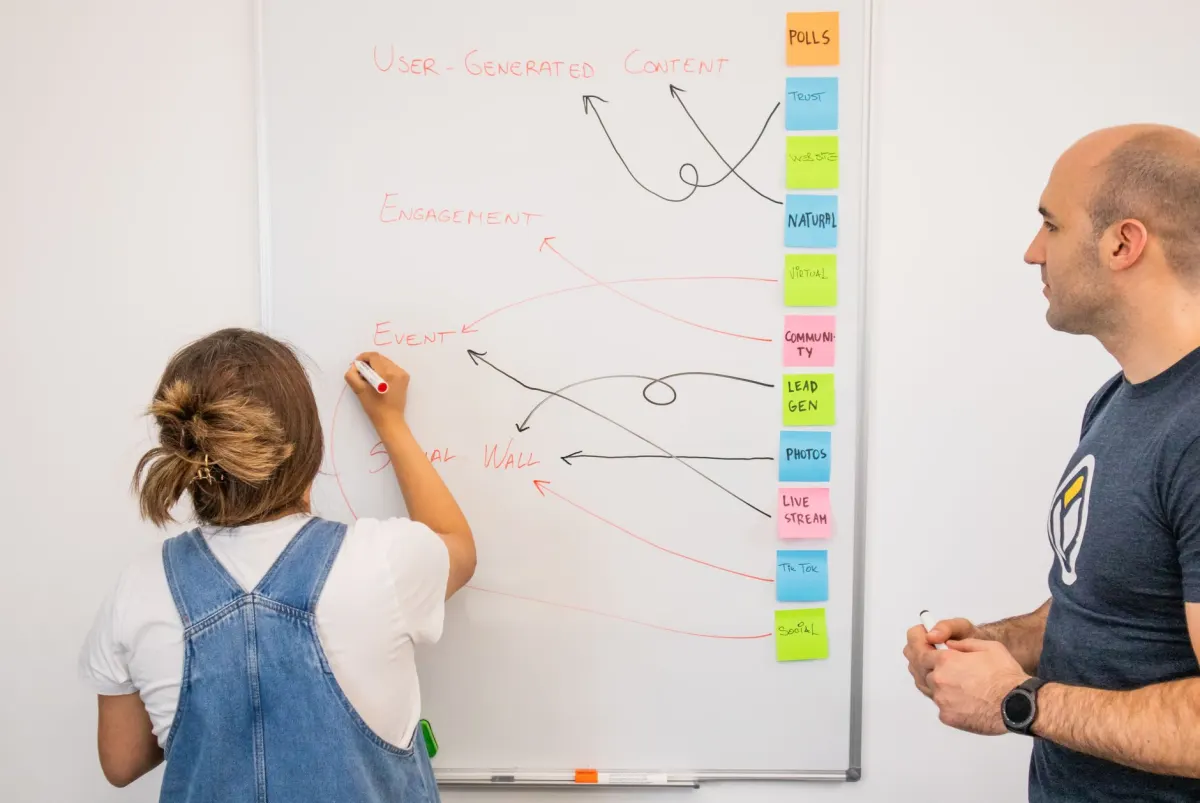
Sie arbeiten mit Autoren, Designern, Videografen, Redakteuren und anderen Kreativen zusammen, um alle auf die Content-Vision, Anforderungen und Ergebnisse auszurichten.
Qualitätssicherung
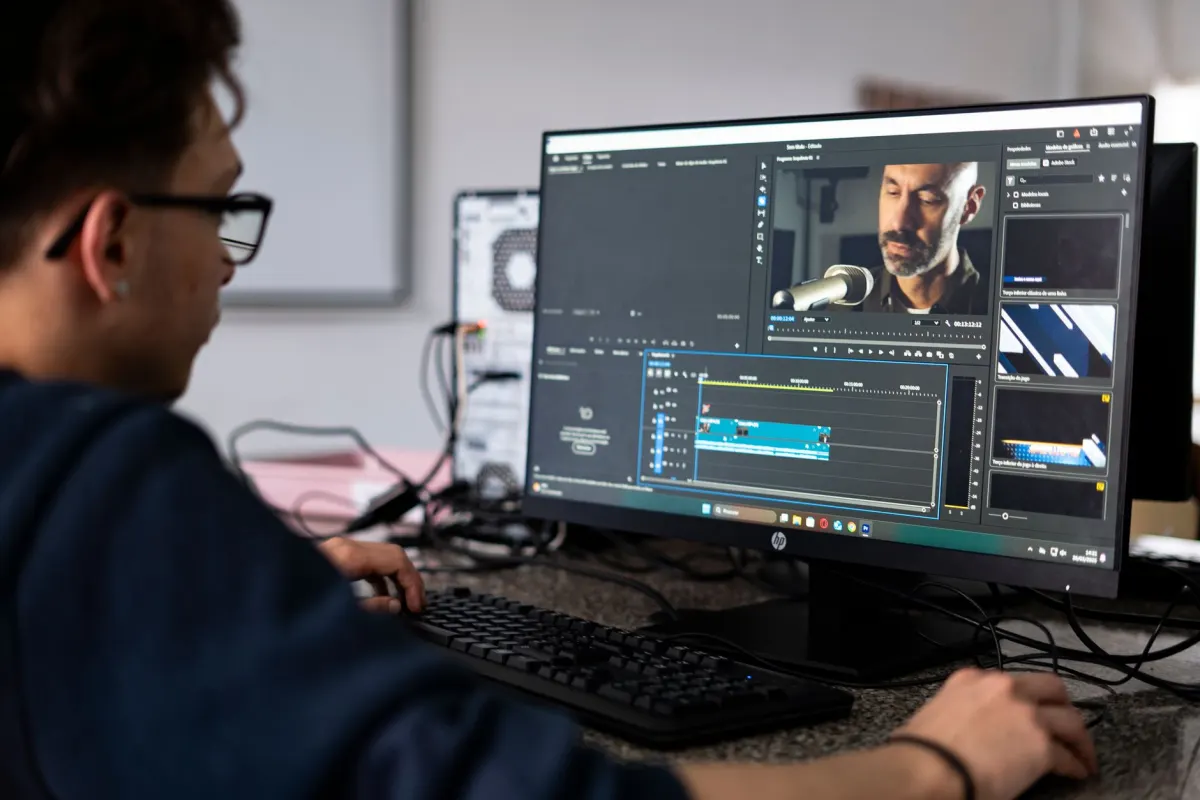
Content Producer überprüfen Inhalte in mehreren Stadien, um sicherzustellen, dass sie den Markenrichtlinien, technischen Spezifikationen und strategischen Zielen vor der Veröffentlichung entsprechen.
Stakeholder-Kommunikation
Sie dienen als zentraler Ansprechpartner für Content-Projekte, halten Stakeholder über den Fortschritt informiert, sammeln Feedback und verwalten Freigaben.
Prozessverbesserung
Erfahrene Content Producer verfeinern kontinuierlich Produktions-Workflows, identifizieren Effizienzsteigerungen und implementieren Tools und Prozesse, die die Qualität und Geschwindigkeit der Ergebnisse verbessern.
Content Producer vs. Content Creator
| Aspekt | Content Producer | Content Creator |
|---|---|---|
| Hauptfokus | Produktionsmanagement und Koordination | Praktische Content-Erstellung |
| Schlüsselkompetenz | Projektmanagement und Organisation | Kreative Fähigkeit (Schreiben, Design, Video) |
| Output | Abgeschlossene Content-Projekte, pünktlich geliefert | Einzelne Content-Stücke |
| Rolle im Prozess | Überwacht die gesamte Produktionspipeline | Führt spezifische kreative Aufgaben aus |
| Teaminteraktion | Verwaltet und koordiniert Teammitglieder | Arbeitet als individueller Beitragender zusammen |
In kleineren Organisationen füllt eine Person beide Rollen aus. In größeren Teams verwalten Content Producer den Workflow, während dedizierte Creator die eigentliche Produktion übernehmen.
Essenzielle Fähigkeiten für Content Producer
- Projektmanagement: Fähigkeit, mehrere Content-Projekte gleichzeitig zu planen, zu verfolgen und zu liefern.
- Kommunikation: Klare, effektive Kommunikation mit verschiedenen Stakeholdern, von Kreativteams bis zur Geschäftsleitung.
- Kreatives Verständnis: Genug kreatives Wissen, um nützliches Feedback zu geben und fundierte Entscheidungen über Qualität und Richtung zu treffen.
- Problemlösung: Die Fähigkeit, sich anzupassen, wenn sich Zeitpläne verschieben, Ressourcen ändern oder unerwartete Herausforderungen auftreten.
- Technische Kompetenz: Vertrautheit mit Content-Management-Systemen, Produktionstools und Veröffentlichungsplattformen.
- Budgetverwaltung: Erfahrung in der Zuweisung und Nachverfolgung von Budgets für die Content-Produktion.
- Aufmerksamkeit für Details: Fähigkeit, Fehler, Inkonsistenzen und Qualitätsprobleme vor der Veröffentlichung von Inhalten zu erkennen.
Tägliche Aufgaben
Der Tag eines Content Producers besteht aus einer Mischung dieser Aufgaben:
- Überprüfung des Produktionskalenders und Kontrolle des Projektstatus
- Treffen mit Creators zur Besprechung laufender Aufträge
- Überprüfung von Entwürfen und Feedback geben
- Koordination mit Stakeholdern zu Content-Freigaben
- Behebung von Produktionsproblemen oder Zeitplankonflikten
- Aktualisierung von Projektverfolgungstools und Produktionsberichten
- Planung kommender Content-Produktionssprints
- Beschaffung von Freelancern oder zusätzlichen Ressourcen für spezifische Projekte
Wo Content Producer arbeiten
| Umfeld | Schwerpunktbereiche |
|---|---|
| Interne Marketingteams | Markeninhalte, Social Media, Kampagnen |
| Medienunternehmen | Redaktionelle Inhalte, Videoprogramme |
| Agenturen | Kundeninhalte über mehrere Marken hinweg |
| Produktionsstudios | Video-, Podcast- und Multimedia-Produktion |
| Freiberuflich / Beratung | Projektbasierte Content-Produktion für verschiedene Kunden |
Wie wird man Content Producer?
Grundlegende Fähigkeiten aufbauen
Beginnen Sie mit einer Kombination aus kreativen Fähigkeiten und Projektmanagement-Können. Viele Content Producer beginnen als Content Creator, Redakteure oder Marketing-Koordinatoren, bevor sie ins Produktionsmanagement wechseln.
Produktionserfahrung sammeln
Arbeiten Sie in jeder Funktion an Content-Projekten, um den Produktionsprozess zu verstehen. Zu verstehen, wie Inhalte tatsächlich erstellt werden, ist essenziell für die effektive Verwaltung ihrer Produktion.
Management-Fähigkeiten entwickeln
Lernen Sie Projektmanagement-Methoden, Tools (Asana, Monday, Trello) und Kommunikationsframeworks. Formale Zertifizierungen im Projektmanagement können wertvoll sein.
Ein Portfolio aufbauen
Dokumentieren Sie Ihre Produktionsarbeit, einschließlich der Projekte, die Sie geleitet haben, der Herausforderungen, die Sie gelöst haben, und der Ergebnisse, die Sie geliefert haben. Ein Produktionsportfolio demonstriert Ihre Lieferfähigkeit.

AdaptlyPost
Jetzt 7 Tage kostenlos testen
Plattformübergreifende Analysen
Sozialer Posteingang
KI-gestützter Assistent
Verwandte Begriffe
- Content Creation: Der kreative Prozess, den Content Producer verwalten.
- Content Approval Process: Ein Schlüssel-Workflow, den Content Producer etablieren und pflegen.
- Content Calendar: Das Planungstool, das Content Producer zur Organisation von Produktionsplänen nutzen.
- Content Strategy: Der strategische Rahmen, der Produktionsprioritäten leitet.
Häufig gestellte Fragen
Ist ein Content Producer dasselbe wie ein Content Manager?
Die Rollen überschneiden sich erheblich, haben aber unterschiedliche Schwerpunkte. Content Producer konzentrieren sich auf den Produktionsprozess und die Lieferung, während Content Manager sich auf die strategische Planung und Performance von Inhalten konzentrieren. In vielen Organisationen werden diese Verantwortlichkeiten kombiniert.
Wie ist die Gehaltsspanne für Content Producer?
Die Vergütung variiert erheblich nach Standort, Branche, Erfahrung und Unternehmensgröße. Content Producer in großen Märkten verdienen typischerweise zwischen 50.000 und 90.000 USD jährlich, wobei leitende und Führungspositionen höhere Gehälter erzielen.
Müssen Content Producer selbst Inhalte erstellen können?
Obwohl Content Producer nicht unbedingt Experten in der Content-Erstellung sein müssen, gibt ihnen praktische Erfahrung mit der Content-Erstellung ein besseres Urteilsvermögen bei der Bereitstellung von Feedback, der Schätzung von Zeitplänen und dem Verständnis von Produktionsherausforderungen.
Welche Tools nutzen Content Producer am häufigsten?
Projektmanagement-Plattformen (Asana, Monday, Trello), Content-Management-Systeme, Social-Media-Management-Tools, Kommunikationsplattformen (Slack, Teams), File-Sharing-Dienste und Content-Kalender-Tools sind Standard im Toolkit des Content Producers.
Was ist der Unterschied zwischen einem Content Producer und einem Projektmanager?
Ein Content Producer ist ein Projektmanager mit zusätzlichem kreativem Urteilsvermögen. Er kennt sich mit Text, Design oder Video gut genug aus, um sinnvolles Feedback zu geben und echte Entscheidungen über Qualität und Richtung zu treffen, statt nur Termine im Kalender zu verfolgen. Diese Mischung aus Produktionsmanagement und kreativem Verständnis macht den eigentlichen Job aus.
In welchen Branchen arbeiten Content Producer?
Content Producer arbeiten in internen Marketingteams, Medienunternehmen, Agenturen, Produktionsstudios und als Freelancer oder Berater. Interne Teams kümmern sich um Markeninhalte und Kampagnen, Medienunternehmen um redaktionelle Inhalte und Videoprogramme, Agenturen um Kundeninhalte über mehrere Marken hinweg, und Studios konzentrieren sich auf Video-, Podcast- und Multimedia-Produktion.
Kann eine Person sowohl Content Producer als auch Content Creator sein?
Ja. In kleineren Organisationen übernimmt oft eine Person sowohl den Workflow als auch die Erstellung der Inhalte. In größeren Teams trennen sich die Rollen meist, wobei der Content Producer die Pipeline überwacht und dedizierte Creator die eigentliche Arbeit übernehmen.
Welche Art von Feedback gibt ein Content Producer den Kreativen?
Der Content Producer prüft Inhalte in mehreren Phasen anhand von Markenrichtlinien, technischen Vorgaben und strategischen Zielen, bevor sie veröffentlicht werden. Da er sowohl die kreative als auch die produktionsseitige Perspektive versteht, umfasst sein Feedback sowohl das Handwerk als auch die Frage, ob ein Stück noch in Zeitplan und Budget passt.
Was passiert, wenn ein Produktionszeitplan ins Rutschen gerät?
Der Content Producer verfolgt den Fortschritt anhand des Produktionsplans und beseitigt den Engpass, der die Verzögerung verursacht hat. Das bedeutet, Freelancer oder zusätzliche Ressourcen zu beschaffen, den Zeitplan anzupassen oder das konkrete Problem zu beheben, das das Projekt aufhält.
Wie hält ein Content Producer Stakeholder auf dem Laufenden?
Der Content Producer fungiert als zentrale Anlaufstelle für ein Projekt, hält Stakeholder über den Fortschritt informiert, sammelt Feedback und verwaltet Freigaben. Im Alltag bedeutet das, Freigaben mit Stakeholdern abzustimmen und Projekt-Tracking-Tools sowie Produktionsberichte zu aktualisieren.
Optimieren Sie Ihre Content-Produktion
Die Verwaltung der Content-Produktion über mehrere Kanäle und Teammitglieder hinweg erfordert leistungsstarke Tools. AdaptlyPost hilft Content Producern, Social-Media-Inhalte effizient zu planen, zu terminieren und zu veröffentlichen und die Produktionspipeline von der Ideenfindung bis zur Veröffentlichung in Bewegung zu halten.
War dieser Artikel hilfreich?
Teilen Sie uns Ihre Meinung mit!
Sieh uns öfter bei Google
Ein Klick macht AdaptlyPost zu einer bevorzugten Quelle. Unsere Artikel stehen dann weiter oben in deinen Top-Meldungen, im KI-Modus und in den KI-Übersichten.
Bevor Sie gehen...
AdaptlyPost
Planen Sie Ihre Inhalte für alle Plattformen
Verwalten Sie alle Ihre Social-Media-Konten an einem Ort mit AdaptlyPost.
Plattformübergreifende Analysen
Sozialer Posteingang
KI-gestützter Assistent
Verwandte Glossarbegriffe
Im Überblick - KI-Einsatz in der Content-Erstellung
Von Captions über Bilder bis zur Videobearbeitung reicht Content-Erstellung mit KI. Welche Tools taugen und wo menschliche Kontrolle Pflicht bleibt.
Praxisnah erklärt - Marketing-Plattform B2C
B2C steht für Business-to-Consumer: Was das Modell ausmacht, worin es sich von B2B unterscheidet und welche Social-Media-Taktiken dort tatsächlich greifen.
Klar eingeordnet - Batching Bedeutung
Ähnliche Aufgaben bündeln statt zerstückeln – das ist die Batching Bedeutung. Arten, ein Ablauf für Social-Content und die Fehler, die Zeit zurückfressen.
Verwandte Artikel
Schreibe starke Body Copy, die zum Handeln führt
Nach Headline und Subline kommt die Body Copy: Was sie leisten muss, wie sie für Social-Feeds aufgebaut wird und welche Fehler Leser abspringen lassen.
Klar eingeordnet - Boomerang Bedeutung
Vor und zurück in Endlosschleife: Die Boomerang Bedeutung, wie das Format entstand, wie Sie eines aufnehmen und wann ein Reel die bessere Wahl ist.
So erzählt ein Karussell-Post Ihre Geschichte in Slides
Ein Karussell-Post bündelt mehrere Slides in einem Beitrag und schlägt Einzelbilder beim Engagement. Aufbau, Plattform-Limits und Slide-Dramaturgie.