
TL;DR, Quick Answer
23 min readBuild a gym social media strategy around target member profiles, platform-specific content, behind-the-scenes authenticity, and geo-targeted paid ads to convert followers into paying members.
This overview puts the topic Gym social media management into useful context. Equipment and qualified trainers do nothing if nobody local finds you, which is where social media management for gyms earns its place in the budget. A focused strategy bridges the gap between your facility and nearby prospects, turning digital attention into real foot traffic.
Key strategies
Jumping straight into posting without a plan is the fitness-marketing equivalent of skipping your warm-up. You get through a few sessions, but eventually something breaks. Before a single Reel goes live, you need clarity on who you serve, what sets you apart, and how every piece of content ties back to a business objective.
The Five Foundations of Gym Social Media Success
| Strategic Foundation | What It Accomplishes | Quick Example |
|---|---|---|
| Target Member Profile | Ensures messaging resonates with the right people | Build a profile like "Remote-Worker Ryan" who wants lunchtime classes near his co-working space |
| Market Positioning | Carves out a distinct identity in your area | If competitors emphasize bodybuilding culture, lean into approachable wellness |
| Content Roadmap | Keeps your feed purposeful and varied | Launch a weekly "Trainer Q&A Thursday" series based on the questions your front desk hears most |
| Channel Focus | Concentrates effort where it counts | Prioritize TikTok if most of your prospects are under 30 |
| Community Interaction | Transforms passive followers into active participants | Respond to every DM and comment within two hours |
These foundations ensure that nothing you publish is random. Every story, caption, and ad creative ladders up to growing your membership base.
Profiling Your Target Member
Broad goals like "attract people who want to exercise" produce generic content that speaks to nobody. Specificity is what makes social media marketing for gyms effective.
Dig into these areas:
- Barriers to entry: Are prospects nervous about judgment at a big-box facility? Short on time because of demanding work schedules? Unable to find childcare during class hours?
- Core motivations: Training for a first 5K, recovering from an injury, seeking accountability from a group environment, or simply wanting more energy throughout the day?
- Digital habits: Browsing Instagram for workout inspiration, participating in neighborhood Facebook groups, or discovering fitness creators on TikTok?
A profile like "New Dad Nate", a 32-year-old who needs 30-minute express sessions and appreciates a gym that welcomes strollers, shapes content very differently than one built around "Powerlifter Priya," a 26-year-old who thrives on leaderboards and competition. Recognizing these distinctions lets you craft messaging that feels personal rather than generic.
Scoping Out the Competition
Spend an afternoon reviewing every gym within your trade area on social media. Rather than passively scrolling, evaluate with intention:
- What earns engagement? Do member spotlights generate more comments than promotional posts? Are workout clips outperforming motivational quotes?
- What tone do they strike? Aggressive and intense, or friendly and welcoming?
- Where do they fall short? Inconsistent posting cadence, poor visual quality, or unanswered questions in the comments are all gaps you can exploit.
The objective is not imitation. It is differentiation. If the gym down the road markets exclusively to hardcore lifters, there may be an underserved audience craving a supportive, judgment-free atmosphere. That gap is your opportunity.
Selecting Platforms That Match Your Fitness Brand
Maintaining active accounts on every social network is a fast path to mediocre results on all of them. A sharper approach is concentrating on the channels where your ideal members already spend their time, then mastering those before expanding.
Instagram: Where Fitness Comes to Life Visually
Fitness is inherently visual, and Instagram remains the top platform for showcasing it. Clean facility shots, trainers demonstrating exercises, and genuine member progress stories all perform exceptionally well here.
Tactics that deliver results on Instagram:
- Authentic Progress Narratives: Go beyond simple before-and-after images. Tell the member's full story, what motivated them, what they struggled with, and how the community supported them along the way.
- Short-Form Workout Content: Reels showing a single movement performed correctly, a five-minute circuit, or a trainer's morning routine consistently earn strong algorithmic distribution.
- Interactive Stories: Polls, quizzes, quick trainer tips, and facility walk-throughs make your brand feel approachable and encourage daily engagement.
The goal is for someone landing on your profile to think, "That looks like a place where I belong."
TikTok: Capturing Attention With Energy and Authenticity
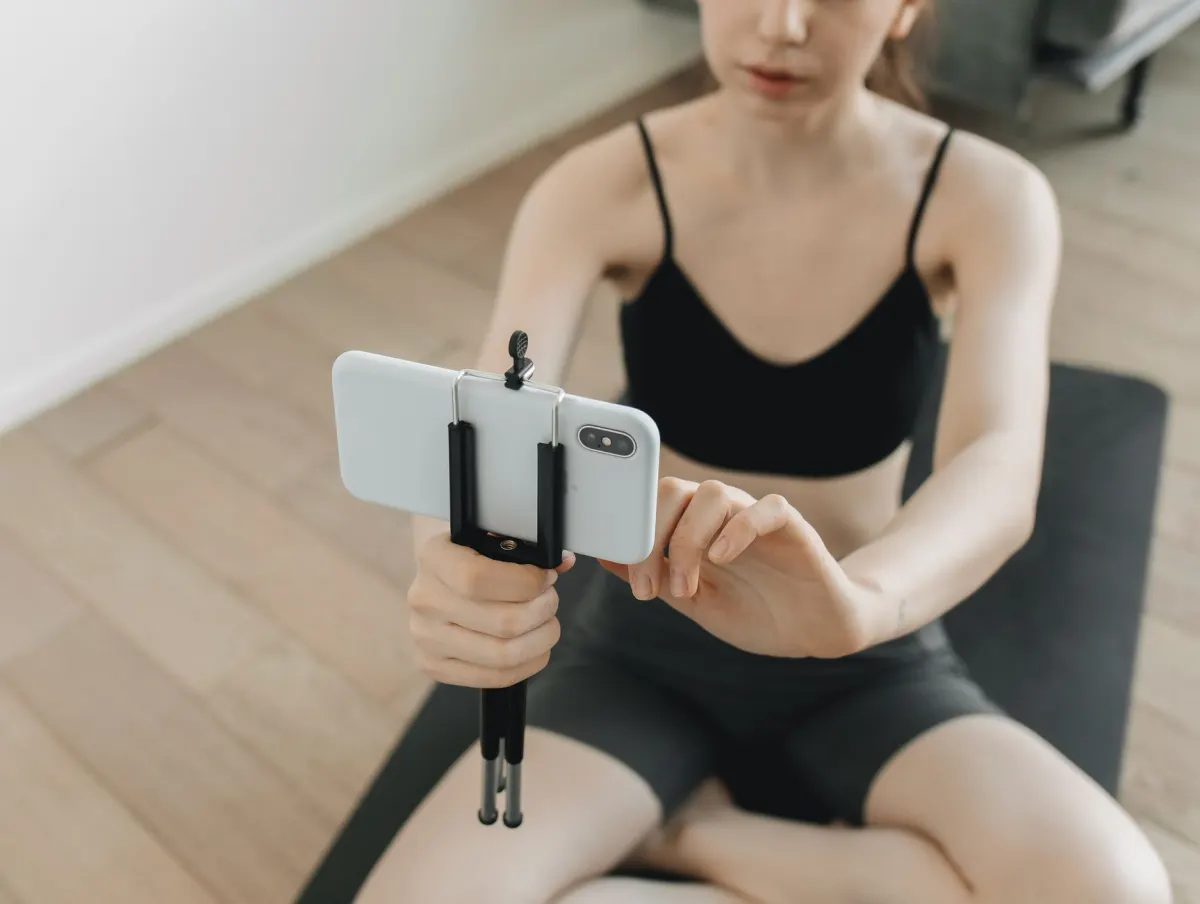
For reaching prospects under 35, TikTok offers unmatched organic reach. The platform rewards raw, entertaining, and informative short videos, exactly the kind of content a gym can produce without a professional film crew.
Prioritize content that is:

AdaptlyPost
Start Your 7-Day Free Trial
All-platform analytics
Social Inbox
AI-powered assistant
- Trend-aware: Participating in popular fitness challenges or using viral audio clips accelerates discovery.
- Bite-sized and educational: Titles like "Three Mobility Drills You Are Probably Skipping" or "Fix Your Deadlift in 30 Seconds" deliver instant value.
- Personality-driven: Let trainers be themselves. A candid reaction to a client's PR or a humorous gym-floor moment resonates far more than scripted content.
A single well-timed video can introduce your gym to thousands of people in your city overnight. Post frequently and experiment broadly to discover what resonates.
Facebook: Deep Community Ties and Precision Advertising
Facebook lacks the novelty of newer platforms, but its strength for local businesses remains formidable. The combination of community features and granular ad targeting makes it indispensable for gyms.
Where Facebook excels:
- Neighborhood Groups: Offering helpful fitness advice in local community groups, without overtly selling, builds credibility and positions your gym as the area's trusted resource.
- Private Member Communities: A members-only group fosters retention by giving people a space for exclusive challenges, accountability check-ins, and peer support.
- Geo-Targeted Advertising: The ability to serve ads to users within a specific radius of your location, filtered by age, interests, and behaviors, makes Facebook the strongest paid channel for driving trial sign-ups.
A balanced approach often works best: build brand identity on Instagram, attract younger prospects through TikTok, and leverage Facebook for community nurturing and paid acquisition. Start with one or two platforms, gain traction, and expand from there.
Producing Content That Converts Followers Into Paying Members
Filling a feed with stock motivational quotes and equipment photos does nothing for your bottom line. Effective gym social media content serves a specific purpose, building trust, demonstrating expertise, or prompting a clear next step.

Behind-the-Scenes Access That Eliminates Intimidation
Many people avoid joining a gym because they feel anxious about the unknown. Behind-the-scenes content dissolves that fear by showing them exactly what to expect before they ever walk through the door.
- Facility Walk-Throughs: A quick Stories clip touring the weight floor during off-peak hours, highlighting the clean changing rooms, or showing the layout of a group fitness studio removes mystery.
- Trainer Ride-Alongs: Follow a coach through part of their day, greeting members, setting up for a class, sharing a quick nutrition tip. This humanizes your staff and makes the idea of working with them far less intimidating.
Unpolished, genuine footage consistently outperforms slick production in this category. Authenticity signals trustworthiness.
Featuring Your People: Trainers and Members
The individuals inside your gym are your strongest marketing asset. Trainer spotlights that share a coach's background, training philosophy, and personality help prospects form a connection before their first visit. Member success stories, focused on the journey and the community support rather than just physical transformation, provide undeniable social proof.
Building a User-Generated Content Engine
Encouraging members to create and share their own gym content multiplies your reach without multiplying your workload. Establish a branded hashtag, ask members to tag the gym in workout check-ins or progress updates, and reshare the best submissions weekly. Small incentives like a free protein shake or guest pass entry into a monthly drawing increase participation. Prospective members trust content from real people far more than polished advertisements.
Educational Content That Establishes Authority
Consistently sharing practical fitness knowledge positions your gym as a credible resource and gives people a reason to follow you even before they join.
Reliable formats include:
- Technique Correction Videos: Short clips contrasting proper and improper form on common exercises are among the most saved and shared fitness content online.
- Bodyweight Circuits: A four-movement routine someone can perform at home or during a lunch break provides immediate value and a preview of your coaching expertise.
- Myth-Busting Carousels: Debunking widespread fitness misconceptions in a swipeable format builds trust and positions your gym as a source of reliable information.
Writing Captions That Prompt Action
A compelling visual loses impact without an equally strong caption. Structure your captions with three elements:
- An attention-grabbing opener: A provocative question or bold claim that stops the scroll.
- The substance: The tip, story, or behind-the-scenes moment you are sharing.
- A direct call-to-action: Tell the reader exactly what to do next, whether that is commenting with their answer, tagging a workout partner, or clicking the link in your bio to claim a free trial.
Accelerating Growth With Paid Social Advertising
Organic content builds community over time. Paid ads generate predictable, measurable results right now. When you are ready to scale, social media advertising transforms your online presence from a brand-building tool into a reliable lead-generation system.
Leveraging Local Micro-Influencers and Referral Networks
Beyond traditional ads, partnering with local micro-influencers, creators with even a few thousand engaged followers in your area, can produce a steady flow of warm leads. Invite them for a complimentary week of classes in exchange for a defined set of Reels and Stories that offer their audience a free trial pass. Pair this with a member referral program promoted on social media, plus cross-promotions with nearby businesses like cafes, physiotherapists, or athletic apparel shops. These partnerships generate introductions from trusted voices within your community.
AdaptlyPost
Start Your 7-Day Free Trial
All-platform analytics
Social Inbox
AI-powered assistant
Structuring Your First Campaign
Meta Ads Manager handles advertising for both Facebook and Instagram. For most gyms, the primary objective is lead generation, capturing contact information from interested prospects for follow-up.
An effective campaign starts with an irresistible, low-barrier offer:
- A complimentary week pass: Lets prospects experience the atmosphere, classes, and community risk-free.
- A limited introductory rate: Creates urgency and exclusivity, especially effective for new locations or program launches.
- A structured challenge: A 21-day or 30-day program delivers tangible value upfront and creates habit formation that increases long-term retention.
Select the "Leads" campaign objective to enable in-app forms that let users submit their name, email, and phone number without leaving Facebook or Instagram. Reducing friction in this way dramatically improves conversion rates.
Precision Targeting for Local Prospects
The power of social media advertising lies in its specificity:
- Geographic radius: Set a 3-10 mile radius around your physical location. Proximity is one of the strongest predictors of gym membership.
- Demographic filters: Align age and gender targeting with your member personas.
- Interest layering: Target users interested in specific activities like CrossFit, yoga, marathon training, or healthy eating. You can even reach followers of popular fitness brands and influencers.
Run multiple ad sets with different audience configurations and let performance data guide your budget allocation. You may discover that an audience interested in stress relief converts better for your yoga program than one interested in general fitness.
Creating Ad Creative That Stops the Scroll
Use authentic, high-energy footage from your actual classes or real member testimonials as your ad creative. Avoid stock photography, it undermines trust. Lead your ad copy with the problem you solve, present your offer as the solution, and close with a clear call-to-action.
The data supports this approach: fitness content on TikTok averaged a 9.3% engagement rate in 2025, far exceeding other categories, while Instagram continues to dominate for the visual storytelling that converts casual interest into committed membership.
Promoting Hybrid and Digital Fitness Offerings
The modern gym experience extends well beyond the physical facility. On-demand workouts, virtual coaching sessions, and app-based programming represent both a revenue expansion opportunity and a retention tool. Social media is the ideal channel for communicating this flexibility.
The online fitness market surged from $6.04 billion in 2020 and is projected to exceed $59 billion by 2027, confirming that digital services complement rather than cannibalize in-person membership.
Communicating the Convenience Factor
Every piece of content promoting hybrid membership should demonstrate real-world convenience in action:
- "Train From Anywhere" Montages: Short Reels showing members following your app workouts in hotel rooms, backyards, and living rooms instantly communicate what flexibility means in practice.
- Interactive Story Sequences: Poll your audience about their biggest consistency barriers, then follow up with a Story demonstrating exactly how your hybrid option eliminates that obstacle.
- Hybrid Member Spotlights: Feature a member who balances in-gym group classes on weekends with at-home sessions during the week. Real stories sell better than feature lists.
Marketing Your Digital Library
Treat your on-demand content as a premium product worthy of its own promotional strategy. Host free 15-minute live workouts on Instagram or Facebook to give followers a sample of your virtual coaching quality. While the live session runs, have a team member actively engaging in the comments and sharing the sign-up link.
Create polished carousel posts or short trailers previewing different workout categories, HIIT, strength, mobility, yoga, to build anticipation and position your digital library as a high-value offering worth paying for.
Measuring Whether Your Social Media Efforts Are Paying Off
A strategy without measurement is just guesswork with extra steps. Moving past vanity metrics and into business-impact analysis is what separates gyms that grow from those that merely stay busy online.
The KPIs That Actually Drive Revenue
- Cost Per Lead (CPL): Total ad spend divided by leads generated. If a $200 Facebook campaign produces 25 trial sign-ups, your CPL is $8. This metric is essential for budget management.
- Social Media Conversion Rate: The percentage of people who click through from your social profiles and complete a meaningful action on your website, booking a tour, downloading a class schedule, or claiming a trial pass. A strong conversion rate confirms your content compels action.
- Member Lifetime Value (LTV): The total revenue a socially-acquired member generates over their entire tenure. Knowing this figure tells you exactly how much you can afford to spend acquiring each new member while remaining profitable.
Build a simple tracking dashboard, even a basic spreadsheet, to monitor these numbers monthly. When you shift your focus from content volume to revenue impact, every decision becomes more informed and every dollar works harder.
Frequently Asked Questions About Gym Social Media
What is a realistic posting schedule for a gym?
Consistency matters more than volume. Three to five quality posts per week on your primary platform keeps your gym visible without overwhelming your team. Supplement with daily Stories for casual, real-time engagement. Equally important: respond to comments and direct messages within a few hours. That responsiveness often becomes the deciding factor for someone choosing between your gym and a competitor.
AdaptlyPost
Start Your 7-Day Free Trial
All-platform analytics
Social Inbox
AI-powered assistant
How do I manage social media without it consuming my whole week?
Batch your content creation. Block two to three hours early in the week to plan posts, write captions, and prepare visuals for the entire week ahead. Load everything into a scheduling tool so posts publish automatically on the days and times you choose. This single workflow change transforms social media from a daily scramble into a weekly strategic task, freeing you to focus on running your gym.
Which social media platform is best for a gym?
The best platform is the one where your ideal members already spend time. Instagram works well for visual brand building through progress stories and Reels, TikTok delivers the strongest organic reach with prospects under 35, and Facebook combines community groups with precise, geo-targeted ads. Start with one or two platforms, build traction, then expand rather than spreading effort across every network at once.
How much should a gym spend on Facebook or Instagram ads?
The post does not give a fixed budget. Judge whether spend is working by tracking cost per lead: divide total ad spend by leads generated. A $200 campaign that produces 25 trial sign-ups puts your cost per lead at $8, a number worth comparing across campaigns before committing more budget. Run multiple ad sets with different audiences and let the results, not a guess, decide where the money goes.
What should a gym post about besides workouts?
Behind-the-scenes footage of the facility during off-peak hours builds trust without showing another workout clip. So do trainer ride-alongs that follow a coach through part of their day, and member success stories focused on the community around the journey. Educational content like technique correction videos, bodyweight circuits, and myth-busting carousels gives people a reason to follow before they ever join. Interactive Stories with polls, quizzes, and quick trainer tips keep the feed from feeling like a highlight reel.
How do I get members to create content for my gym's social media?
Establish a branded hashtag, ask members to tag the gym in workout check-ins or progress updates, and reshare the best submissions weekly. Small incentives like a free protein shake or an entry into a monthly drawing for a guest pass increase how many people participate. Prospective members trust this kind of content from real people far more than polished advertisements.
Is TikTok worth it for a small gym?
For reaching prospects under 35, TikTok offers organic reach that Instagram and Facebook cannot match, and fitness content on the platform averaged a 9.3% engagement rate in 2025. A single well-timed video can introduce a gym to thousands of people in its city overnight, and none of it requires a professional film crew, just trend-aware, bite-sized, personality-driven clips.
What is a good introductory offer for a gym's first ad campaign?
The post points to three low-barrier options. A complimentary week pass lets prospects experience the atmosphere risk-free, a limited introductory rate creates urgency, and a structured 21-day or 30-day challenge delivers upfront value and builds habit formation. Pair whichever offer you choose with the Leads campaign objective in Meta Ads Manager so prospects can submit their name, email, and phone number without leaving the app.
How do I know if my gym's social media is actually working?
Track cost per lead, social media conversion rate, and member lifetime value instead of likes and follower counts. Cost per lead tells you what you are paying to generate interest, conversion rate confirms whether your content compels a next step like booking a tour or claiming a trial, and lifetime value shows how much you can afford to spend acquiring each member while staying profitable. A basic spreadsheet updated monthly is enough to track all three.
Should a gym promote virtual or on-demand workouts on social media?
Yes, the online fitness market grew from $6.04 billion in 2020 and is projected to exceed $59 billion by 2027, and digital services complement in-person membership rather than replace it. "Train From Anywhere" Reels, hybrid member spotlights, and free 15-minute live workouts on Instagram or Facebook all demonstrate the convenience of a hybrid option while building anticipation for a paid on-demand library.
What does a target member profile look like for a gym?
A useful profile goes beyond "wants to exercise" and names specific barriers, motivations, and digital habits. The post uses "New Dad Nate," a 32-year-old who needs 30-minute express sessions and a stroller-friendly gym, next to "Powerlifter Priya," a 26-year-old who thrives on leaderboards and competition. Building content around a profile that specific makes messaging feel personal instead of generic.
What are the five foundations of a gym social media strategy?
The framework covers target member profile, market positioning, a content roadmap, channel focus, and community interaction. The profile keeps messaging relevant, positioning sets your gym apart from competitors, the roadmap keeps the feed purposeful, channel focus concentrates effort where it counts, and community interaction turns followers into participants. Together they make sure nothing you publish is random.
How should a gym research competitors on social media?
Spend an afternoon reviewing every gym in your trade area and note what earns engagement, what tone they strike, and where they fall short. Check whether member spotlights outperform promotional posts, whether the tone reads aggressive or welcoming, and whether posting is inconsistent or comments go unanswered. The goal is not to copy what works, it is to find the gap, like an underserved audience craving a judgment-free atmosphere if every competitor markets to hardcore lifters.
What is the best structure for a gym's social media captions?
Structure captions around three elements: an attention-grabbing opener, the substance of the tip or story, and a direct call-to-action. The opener should be a provocative question or bold claim that stops the scroll, and the close should tell the reader exactly what to do next, comment, tag a workout partner, or click the link in your bio for a free trial. Even a strong visual needs a caption this deliberate to convert.
How can local micro-influencers help grow a gym's membership?
Partnering with micro-influencers, creators with a few thousand engaged local followers, can produce a steady flow of warm leads. Invite them for a complimentary week of classes in exchange for a defined set of Reels and Stories offering their audience a free trial pass. Pairing this with a member referral program and cross-promotions with nearby cafes, physiotherapists, or athletic apparel shops adds introductions from trusted voices in the community.
How can gyms use Facebook groups to build community?
Facebook combines community features with precise ad targeting, which is what makes it valuable for local gyms. Offering helpful fitness advice in neighborhood groups without overtly selling builds credibility, while a private members-only group gives people a space for exclusive challenges, accountability check-ins, and peer support. That mix of public credibility-building and private retention is what separates Facebook from other platforms.
AdaptlyPost
Start Your 7-Day Free Trial
All-platform analytics
Social Inbox
AI-powered assistant
What kind of footage works best for gym ad creative?
Use authentic, high-energy footage from actual classes or real member testimonials rather than stock photography, which undermines trust. Lead the ad copy with the problem you solve, present your offer as the solution, and close with a clear call-to-action. This same authentic approach carries over from organic content, where unpolished, genuine footage consistently outperforms slick production.
What campaign objective should a gym choose in Meta Ads Manager?
For most gyms running a first campaign, the "Leads" objective is the right choice. Leads enables in-app forms, so prospects submit their name, email, and phone number without leaving Facebook or Instagram. Cutting that friction improves conversion rates compared to sending people to an external landing page. Pair the objective with a low-barrier offer like a complimentary week pass or a limited introductory rate.
What kind of content works best for a gym's Instagram profile?
Authentic progress narratives perform best on Instagram, alongside short Reels and interactive Stories. Progress narratives tell the member's full story instead of a simple before and after, Reels show one movement done well or a five-minute circuit, and Stories carry polls, quizzes and facility walk-throughs. The goal is for someone landing on the profile to feel like they belong there.
How do organic content and paid ads work together for a gym?
Organic content builds trust over time while paid ads produce measurable results right away. Behind-the-scenes footage, trainer and member spotlights, and educational posts earn followers first, a branded hashtag turns those followers into creators, local partnerships add more introductions, and geo-targeted Facebook and Instagram ads turn that awareness into predictable trial sign-ups.
How should a gym target Facebook and Instagram ads beyond location?
Beyond a 3 to 10 mile radius around the facility, align demographic filters like age and gender with your member personas. Layer in interests such as CrossFit, yoga, marathon training or healthy eating, plus followers of popular fitness brands. Running multiple ad sets with different audiences and letting performance data guide the budget shows which combination actually converts.
How can a gym market its on-demand workout library?
Hosting free 15-minute live workouts on Instagram or Facebook gives followers a sample of the virtual coaching quality. Have a team member engage in the comments and share the sign-up link. Polished carousel posts or short trailers previewing categories like HIIT, strength, mobility and yoga build anticipation and position the library as a high-value offering.
Why does behind-the-scenes content help a gym attract new members?
Many people avoid joining a gym because they feel anxious about the unknown. Walk-throughs of the weight floor during off-peak hours, clean changing rooms, and a look at a trainer's day remove that mystery and make the staff feel approachable. Unpolished, genuine footage signals trustworthiness more than slick production does.
How can a gym differentiate itself from local competitors on social media?
Looking at what earns engagement on competitors' pages, the tone they strike, and where they fall short, inconsistent posting, weak visuals, unanswered comments, points to real openings. The goal is not to imitate but to stand apart. If a competitor leans hard into bodybuilding culture, a welcoming, judgment-free take on wellness can reach the audience that doesn't feel at home there.
What is a content roadmap and why does a gym need one?
A content roadmap keeps the feed purposeful instead of random. The five foundations point to a weekly series like "Trainer Q&A Thursday," built around the questions the front desk hears most, as one example. Every story, caption and ad then ladders up to growing membership instead of getting published without a plan.
How can trainer and member spotlights build trust with prospects?
Trainer spotlights that share a coach's background, training philosophy and personality let prospects form a connection before their first visit. Member success stories that focus on the journey and community support, not just the physical transformation, work as social proof. The people inside a gym are its strongest marketing asset.
How can a gym use cross-promotions with other local businesses on social media?
Team up with nearby cafes, physiotherapists, and athletic apparel shops for shoutouts, joint giveaways, or referral perks. Those placements put your gym in front of an audience that already trusts the recommendation. Pair these partnerships with a member referral program and local micro-influencer collaborations so introductions keep arriving from voices your community already knows. These relationships work because they carry the weight of a personal recommendation rather than an ad.
Should a gym run multiple ad sets before committing its full ad budget?
Running multiple ad sets with different audience configurations is the best way to find out where the budget should go, rather than committing everything to one untested audience. Testing is the only way to know whether a yoga program converts better with an audience interested in stress relief than with one targeted around general fitness. Let the performance data decide the split once the ad sets have run long enough to produce results.
How can a member referral program support a gym's social media marketing?
Promoting a referral program on your social channels turns existing members into a recruiting channel, layering trusted, in-person recommendations on top of your organic content and paid ads. The post highlights it alongside micro-influencer partnerships and cross-promotions with local businesses as ways to generate introductions from voices your prospects already trust. A member who shares a referral link is vouching for the gym in a way no ad campaign can replicate.
How should a gym write ad copy for its Facebook and Instagram campaigns?
Lead with the problem your prospect is trying to solve, present your gym's offer as the solution, and close with a direct call-to-action. Pair that structure with authentic, high-energy footage from real classes or genuine member testimonials, and skip the stock photography, since it undermines the trust the copy is trying to build. This combination of a clear message and honest visuals is what stops the scroll.
What barriers keep people from joining a gym, and how can social media address them?
Common barriers include feeling judged at a big-box facility, not having enough time because of a demanding schedule, or being unable to find childcare during class hours. Behind-the-scenes content directly answers these worries by showing prospects exactly what to expect, a Stories clip touring the weight floor during off-peak hours, a trainer ride-along, or a walk-through of the group fitness studio, before they ever have to walk through the door. Unpolished, genuine footage does more to dissolve that fear than slick production.
AdaptlyPost
Start Your 7-Day Free Trial
All-platform analytics
Social Inbox
AI-powered assistant
What is a hybrid member spotlight, and why does it work as content?
A hybrid member spotlight features someone who balances in-gym group classes on weekends with at-home sessions during the week. The format shows prospects what a flexible membership actually looks like day to day. Real stories like this sell the convenience factor better than a list of features ever could. It gives prospects a concrete picture of how hybrid membership fits into a normal week instead of an abstract pitch.
How can polls and quizzes in Instagram Stories boost gym engagement?
Polls, quizzes, quick trainer tips, and facility walk-throughs in Stories make your gym feel approachable. They give followers a reason to open your profile every day, not just when you post a new Reel. This kind of interactive content builds daily engagement in a way a static feed post cannot. It also gives you a low-effort way to keep showing up in someone's feed between bigger content pieces.
Why is fast response time considered one of the five foundations of gym social media success?
Community Interaction is one of the five foundations because it turns passive followers into active participants. The post sets the bar at responding to every DM and comment within two hours. A prospect deciding between your gym and a competitor often makes that call based on which one actually answers them. Slow or missing responses undercut every other part of the strategy, no matter how strong the content is.
What counts as a "conversion" when tracking a gym's social media performance?
A conversion is a specific action, not a like or a follow. Booking a tour, downloading a class schedule, or claiming a trial pass count; a scroll-past or a comment does not. The social media conversion rate tracks what percentage of profile visitors complete one of those actions after clicking through from your social channels. A high number confirms your content is pushing people to act, not just watch.
Why does member lifetime value matter more than follower count when setting a gym's ad budget?
Follower count says nothing about revenue, while member lifetime value shows the total revenue a socially-acquired member generates over their entire membership. That figure tells you exactly how much you can afford to spend acquiring each new member while staying profitable. The post frames this as the shift from counting vanity metrics to measuring real business impact, the difference between gyms that grow and gyms that just stay busy online.
What educational content formats help a gym build authority before someone joins?
Technique correction videos contrasting proper and improper form are among the most saved and shared fitness content online. A four-movement bodyweight circuit someone can do at home or during a lunch break delivers immediate value and previews your coaching style, and myth-busting carousels in a swipeable format position your gym as a reliable source of information. None of these formats require someone to already be a member, which is the point: they give people a reason to follow before they ever walk through the door.
Why do member success stories focus on community support rather than just physical transformation?
A before-and-after photo proves a physical change but says nothing about why someone stayed. Building the story around what motivated the member, what they struggled with, and how the community supported them gives a prospect a reason to believe that specific gym helped, not just that exercise works in general. That is what turns these stories into social proof a transformation photo alone cannot provide.
How big is the online fitness market, and what does it mean for a gym with a physical location?
The online fitness market grew from $6.04 billion in 2020 and is projected to exceed $59 billion by 2027. For a gym with a physical location, that growth confirms digital services like on-demand workouts and virtual coaching complement in-person membership rather than replace it, which is why the post treats hybrid offerings as a revenue opportunity and retention tool rather than a threat to the front desk.
What should a gym offer local micro-influencers in exchange for content?
Invite them for a complimentary week of classes in exchange for a defined set of Reels and Stories that offer their audience a free trial pass. That exchange only works when the deliverables are specific upfront, not an open-ended hope for a mention. Pairing this kind of partnership with a member referral program and cross-promotions with nearby businesses like cafes or physiotherapists multiplies the introductions you get from trusted local voices.
What's the point of hosting a free live workout on Instagram or Facebook?
A free 15-minute live session lets followers sample your virtual coaching quality before they pay for it. The session turns your on-demand library from an abstract idea into something they can feel is real. Have a team member actively engage in the comments while the session runs and share the sign-up link, since interaction during the broadcast is what turns a passive viewer into a lead. Treating a live workout as a preview, not a giveaway, is what makes it worth promoting as part of your digital library strategy.
Why does a 3 to 10 mile radius matter so much in gym ad targeting?
Proximity is one of the strongest predictors of gym membership. The post recommends a geographic radius of 3 to 10 miles around your physical location as the foundation of Facebook and Instagram ad targeting. Layering in demographic filters and interests like CrossFit, yoga, or marathon training narrows the audience further, but none of that matters if the person targeted cannot realistically reach your facility. Getting the radius right before adding other filters keeps your ad spend pointed at people close enough to walk through your door.
Put this into practice with AdaptlyPost
Was This Article Helpful?
Let us know what you think!
See us more often in Google
One click marks AdaptlyPost as a preferred source, so our articles sit higher in your Top Stories, AI Mode, and AI Overviews.
Before you go...
AdaptlyPost
Schedule your content across all platforms
Manage all your social media accounts in one place with AdaptlyPost.
All-platform analytics
Social Inbox
AI-powered assistant
Related Articles
Key Insights - B2B SaaS Social Media
Volume is the wrong goal. A B2B SaaS social media strategy built on demand generation, ABM, and content mapped to buying stage, with metrics that matter.
Social Media Marketing Funnel: How to Turn Reach Into Sales
A funnel beats a posting schedule. How to boost sales with social media marketing by matching content, timing, and offers to each buyer stage.
Healthcare Social Media Marketing for Mental Health Clinics
Visibility without exploiting vulnerability. What healthcare social media marketing demands of mental health clinics, from HIPAA through to tone.