
TL;DR, Quick Answer
5 min readContent repurposing is the strategy of transforming existing content into new formats for different platforms, extending its reach and lifespan while reducing the effort needed to maintain a consistent publishing schedule.
What Is Content Repurposing?
Content repurposing is the practice of taking a single piece of content and adapting it into multiple formats suitable for different platforms, audiences, or contexts. Rather than creating everything from scratch, you extract the core value from existing content and repackage it to serve new purposes.
A blog post can become a Twitter/X thread, an Instagram carousel, a TikTok video, a LinkedIn post, a podcast segment, and an email newsletter. The insight stays the same. The delivery changes to match each platform's format and audience expectations.
Why Repurposing Content Matters
Efficiency
Creating original content for every platform from scratch is time-consuming and unsustainable for most teams. Repurposing lets you produce more output without proportionally increasing your workload.
Extended Reach
Different people consume content on different platforms. A follower who never reads your blog sees your Instagram carousel. Repurposing ensures your message reaches audiences wherever they are.
Reinforced Messaging
People need to encounter a message multiple times before it sticks. Repurposing delivers the same core idea in different contexts, reinforcing your message without feeling repetitive.
Improved ROI
Every piece of original content represents an investment of time, creativity, and resources. Repurposing extracts maximum value from that investment by multiplying its applications.

SEO and Discoverability
Repurposing content across platforms creates multiple entry points for people to discover your brand. A video that ranks on YouTube, a pin that appears on Pinterest, and a post that surfaces on LinkedIn all drive different discovery paths.
The Content Repurposing Framework
Step 1: Start with Pillar Content
Create comprehensive, high-quality pillar content that serves as the source material. Pillar content is a long-form blog post, a webinar recording, a podcast episode, or a detailed guide.
Step 2: Extract Key Points
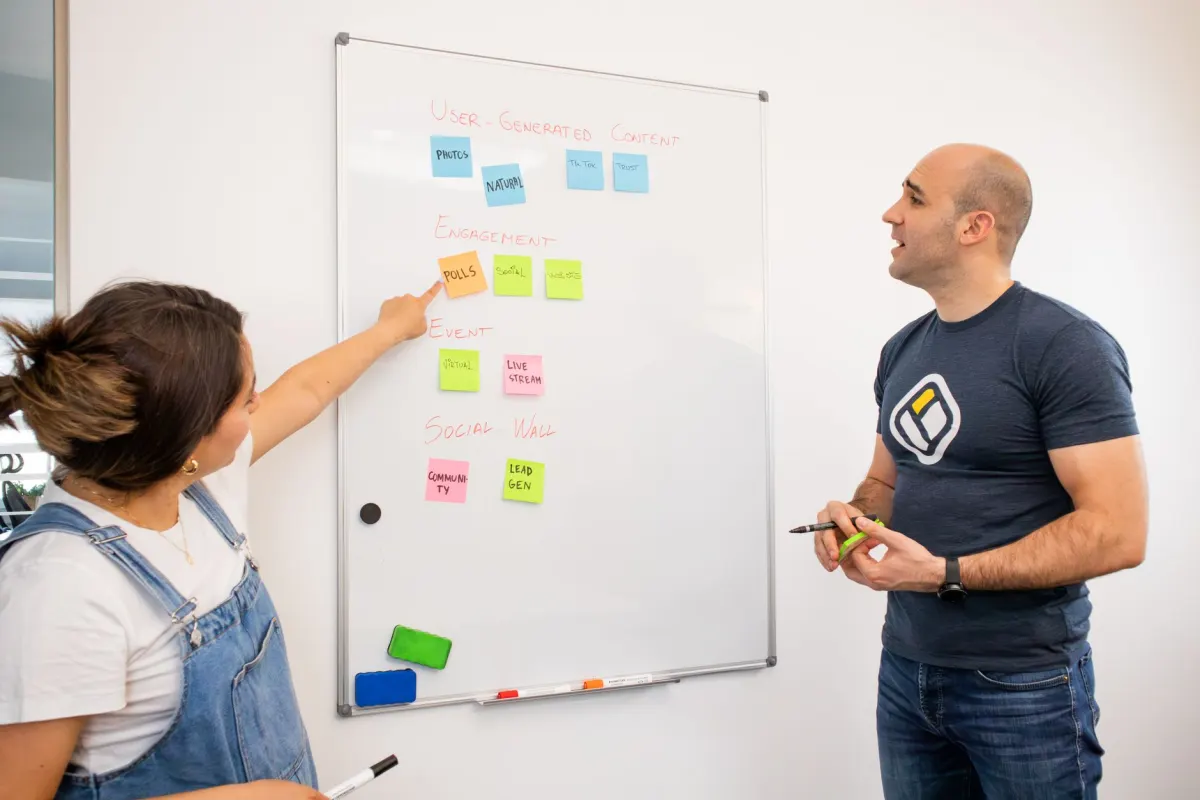
Identify the most valuable insights, tips, statistics, and takeaways from your pillar content. Each of these can become a standalone piece of content for a different platform.
Step 3: Adapt for Each Platform
Transform each extracted point into a format native to the target platform. This is where the real repurposing happens.
Step 4: Schedule and Distribute
Space out your repurposed content over time rather than publishing everything at once. This extends the lifespan of your original content and maintains a consistent posting schedule.
Repurposing Matrix: From One Piece to Many
| Original Format | Repurposed Into | Platform |
|---|---|---|
| Blog post | Thread | Twitter/X |
| Blog post | Carousel | Instagram, LinkedIn |
| Blog post | Short-form video | TikTok, Reels, Shorts |
| Podcast episode | Audiogram clips | Instagram Stories, Twitter/X |
| Podcast episode | Key quote graphics | All platforms |
| Webinar | Highlight clips | YouTube, TikTok |
| Webinar | Slide deck summary | LinkedIn, SlideShare |
| Video | GIFs | Twitter/X, comments |
| Video | Transcript blog post | Website, LinkedIn |
| Infographic | Individual stat posts | Instagram, Twitter/X |
| Case study | Customer quote graphics | All platforms |
| Newsletter | Social media posts | All platforms |
Best Practices for Content Repurposing
Adapt, Do Not Just Copy
Repurposing is not the same as cross-posting. Each platform requires its own format, tone, and presentation style. A blog paragraph pasted into a tweet without adaptation is cross-posting. Rewriting that paragraph as a concise, punchy tweet is repurposing.
Prioritize Your Best Content
Focus repurposing efforts on content that has already proven its value. High-performing blog posts, popular podcast episodes, and well-received presentations are prime candidates because their core message has already been validated.
Maintain Quality
Repurposed content should feel intentional and native to its new platform, not like a lazy shortcut. Invest time in proper adaptation to ensure quality remains consistent.

AdaptlyPost
Start Your 7-Day Free Trial
All-platform analytics
Social Inbox
AI-powered assistant
Space Out Distribution
Spreading repurposed content over weeks or months prevents your audience from seeing the same message everywhere simultaneously. A blog post published today yields social content for the next four to six weeks.
Track Performance Across Formats
Monitor which repurposed formats perform best for your audience. The data shows whether your blog content converts better as carousels than as threads, which sets your priorities for future repurposing.
Update Before Repurposing
If the original content is older, review it for accuracy and relevance before repurposing. Outdated statistics or references undermine your credibility even in a new format.
- Repurpose immediately
- Space content out by a week or more
Common Repurposing Mistakes
- Repurposing without adapting: Simply posting the same text across platforms misses the point entirely.
- Ignoring platform context: A formal LinkedIn post tone does not work on TikTok, even if the content is the same.
- Repurposing weak content: Starting with mediocre source material produces mediocre repurposed content regardless of format changes.
- Overwhelming your audience: Publishing all repurposed versions at once across platforms saturates your audience unnecessarily.
Related Terms
- Content calendar: A planning tool for organizing content across platforms and dates
- Cross-posting: Sharing identical content across multiple platforms without adaptation
- Evergreen content: Content that remains relevant and valuable over extended periods
- Content pillar: A comprehensive piece of content that serves as a foundation for derived content
- Platform-specific optimization: Tailoring content to each platform's unique requirements
Frequently Asked Questions
Is repurposing content lazy or uncreative?
Not at all. Effective repurposing requires creative thinking to transform content into formats that feel native and valuable on each platform. It is a strategic approach to content efficiency, not a shortcut.
How many pieces of content can I repurpose from a single blog post?
A well-written blog post of 1,500 to 2,000 words can typically yield 8 to 15 pieces of repurposed content across different formats and platforms. The exact number depends on the density of insights in the original piece.
Should I wait before repurposing content?
Platform overlap sets the timing. You can begin repurposing immediately for platforms where your audiences do not overlap significantly. For overlapping audiences, spacing the content out by a week or more prevents redundancy.
Can I repurpose other people's content?
You can draw inspiration from others' content, but directly repurposing someone else's work is plagiarism. Always create from your own original content or properly attribute and get permission when referencing others' work.
Does repurposed content perform as well as original content?
Yes. Repurposed content outperforms the original when the message has already been validated with one audience. The format adaptation can also reveal that a message works better in a visual or video format than it did as text.
What's the difference between repurposing and cross-posting?
Cross-posting shares identical content across platforms without any changes. Repurposing takes that same content and rewrites it to fit the tone, format, and presentation style of the destination platform. Pasting a blog paragraph straight into a tweet is cross-posting. Rewriting it as a punchy tweet is repurposing.
What formats can a single blog post become?
A blog post can become a Twitter/X thread, an Instagram carousel, a TikTok video, a LinkedIn post, a podcast segment, or an email newsletter. The core insight carries over into every version. What changes is the format, since each platform expects content shaped for its own audience.
How do I choose which content to repurpose first?
Look at what has already worked: high-performing blog posts, popular podcast episodes, and presentations that landed well with an audience. Their core message is validated already, so repurposing carries less risk than starting from something unproven. Mediocre source material only produces mediocre repurposed content, no matter how many formats you run it through.
What's the first step in a repurposing framework?
The framework starts with pillar content: a long-form blog post, a webinar recording, a podcast episode, or a detailed guide substantial enough to serve as source material. Everything else gets extracted from that one asset. Skip this step and there's nothing solid to repurpose from.
How do I avoid overwhelming my audience with repurposed content?
Publishing every repurposed version of a piece at once puts the same message in front of your audience everywhere simultaneously, which saturates them fast. Space the versions out over weeks instead. One blog post can supply social content for four to six weeks when you pace the schedule right.
Repurpose Smarter, Not Harder
A strong repurposing strategy starts with great content and smart scheduling. In AdaptlyPost you manage your content calendar across every platform, then plan and schedule repurposed content that reaches your full audience.
AdaptlyPost
Start Your 7-Day Free Trial
All-platform analytics
Social Inbox
AI-powered assistant
Was This Article Helpful?
Let us know what you think!
See us more often in Google
One click marks AdaptlyPost as a preferred source, so our articles sit higher in your Top Stories, AI Mode, and AI Overviews.
Before you go...
AdaptlyPost
Schedule your content across all platforms
Manage all your social media accounts in one place with AdaptlyPost.
All-platform analytics
Social Inbox
AI-powered assistant
Related Glossary Terms
Explained Clearly - Batching Means
Context switching is the real cost. What batching means in practice, which tasks group well together, and how one session can cover a whole month.
Key Insights - Content Management Planning
What gets made, when it ships, and on which channel. Where content management planning sits between strategy and creation, and how to run it weekly.
Explained Clearly - Content Repurposing Process
A single post can become a carousel, a thread, a newsletter, and a video. Where the content repurposing process starts, and which formats travel well.
Related Articles
Cross-Posting Strategy: How to Share Content Across Platforms
Deciding what goes where, in what order, and in whose voice. A cross posting strategy that avoids duplicate fatigue and obvious platform mismatches.
A Practical Overview - Cross Post Video to Multiple Platforms
Adapt rather than duplicate: how to cross post video to multiple platforms without killing reach, with per-platform specs and what should stay exclusive.


Make AI Content Creation Work With Human Judgment
Treat AI content creation as a drafting tool and it saves hours. Where it works for social, the guardrails that protect brand voice, and what to fact-check.