
TL;DR, Quick Answer
5 min readInfluencer partnerships are collaborative relationships between brands and content creators where the influencer promotes products or services to their audience in exchange for compensation, driving awareness, engagement, and conversions.
What Are Influencer Partnerships?
Structured collaborations where a creator features or reviews a brand are what influencer partnerships cover, from single sponsored posts to ambassador programmes. These partnerships range from one-time sponsored posts to long-term ambassador programs and can involve compensation models including flat fees, product exchanges, affiliate commissions, or performance-based payments.
Unlike traditional advertising, influencer partnerships leverage the trust and relationship an influencer has built with their audience. The content feels more like a recommendation from a friend than a commercial, which is why influencer partnerships consistently outperform many forms of traditional digital advertising in terms of engagement and conversion.
Why Influencer Partnerships Work
- Built-In Trust: Influencers have already earned their audience's trust. A recommendation from them carries more weight than a brand's own messaging.
- Targeted Reach: Every influencer has a defined audience. Partnerships let you reach specific demographics and interest groups with precision.
- Authentic Content: Influencers know what resonates with their audience and create content that feels natural rather than forced.
- Social Proof at Scale: When multiple influencers vouch for your brand, it creates a powerful perception of widespread endorsement.
- Content Asset Generation: Partnership content can be repurposed across your own channels, ads, and marketing materials.
- Reads as brand messaging
- Reaches a broad, undefined audience
- Feels like a recommendation from a friend
- Reaches a defined, targeted audience
Types of Influencer Partnerships
| Partnership Type | Description | Best For |
|---|---|---|
| Sponsored Posts | One-time paid content featuring the brand | Product launches, seasonal campaigns |
| Brand Ambassadorships | Long-term ongoing relationships | Building sustained brand awareness |
| Affiliate Programs | Commission-based compensation per sale | Performance-driven campaigns |
| Product Seeding | Sending free products in exchange for coverage | Generating organic reviews |
| Content Licensing | Paying for rights to use influencer content | Ad creative, website content |
| Co-Created Products | Collaborating on product development | Deep audience engagement |
| Event Partnerships | Influencers attend or host brand events | Experiential marketing |
| Takeovers | Influencer manages your social channel temporarily | Audience growth, fresh content |
How to Build an Influencer Partnership Program
Step 1: Define Your Objectives
Before reaching out to any influencer, clarify what you want to achieve. Common objectives include:
- Brand awareness in a new market
- Product launch promotion
- Driving website traffic or app downloads
- Generating sales or leads
- Building a library of user-generated content

Step 2: Identify the Right Influencers
Look for influencers whose audience aligns with your ideal customer profile. Evaluate them on:
- Audience demographics and interests
- Engagement rate (not just follower count)
- Content quality and brand alignment
- Previous brand partnership history
- Authenticity and audience sentiment
Step 3: Craft Your Outreach
Personalize your outreach message. Reference specific content they have created, explain why you think the partnership is a mutual fit, and be transparent about what you are offering. Avoid generic copy-paste messages.
Step 4: Negotiate Terms
Key elements to negotiate include:
- Deliverables (number of posts, stories, videos)
- Timeline and publishing schedule
- Compensation structure
- Content approval process
- Usage rights for repurposing content
- Exclusivity clauses
- Disclosure requirements
Step 5: Provide a Clear Brief
Give influencers enough direction to stay on-brand while leaving room for their creative voice. A good brief includes:
- Key messages and talking points
- Product information and unique selling points
- Visual guidelines or brand assets
- Hashtags and tags to include
- What to avoid
- Examples of content you admire
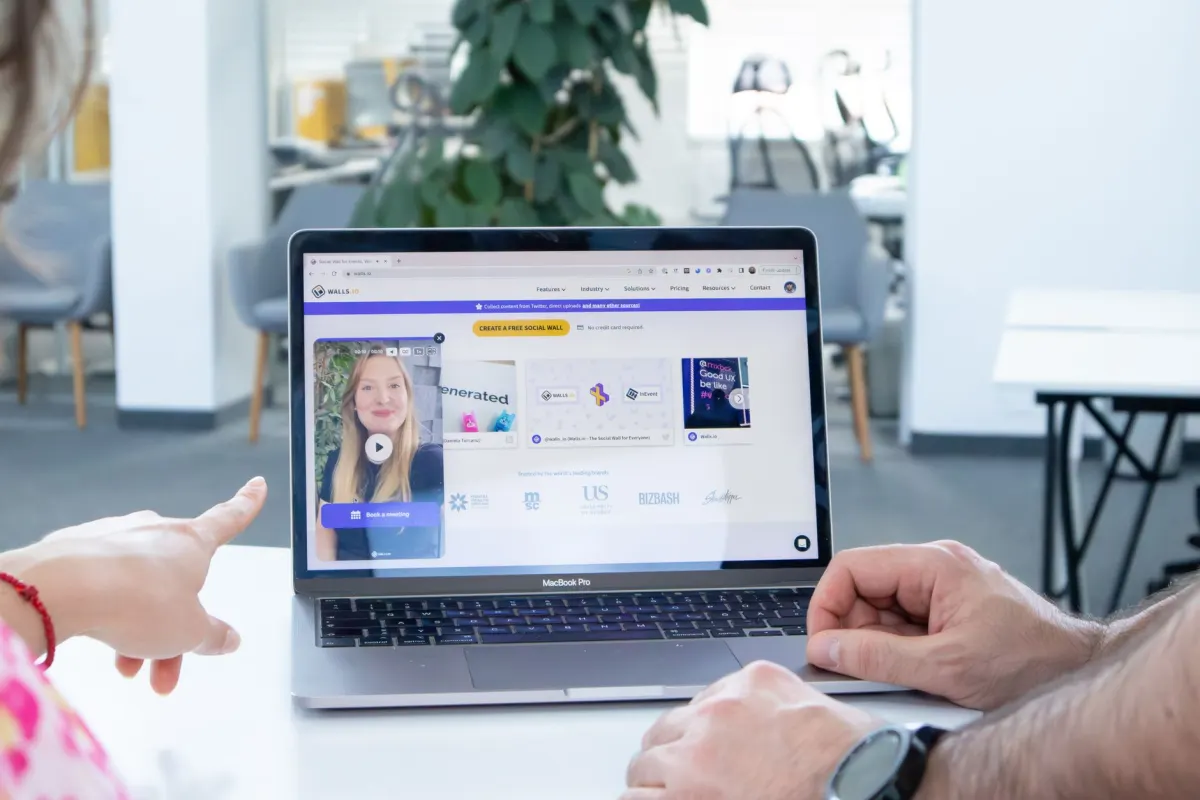
Step 6: Review and Approve Content
Establish a review process that respects the influencer's creative freedom while ensuring brand accuracy. One or two rounds of feedback is standard. Avoid rewriting their content in your brand voice, as this defeats the purpose of the partnership.
Step 7: Track and Measure Results
Measure performance against your defined objectives. Key metrics include:
- Reach and impressions
- Engagement (likes, comments, shares, saves)
- Click-through rate
- Conversions and sales (using unique links or promo codes)
- Cost per engagement or cost per acquisition
- Audience sentiment and brand mentions
Best Practices
- Prioritize long-term relationships over one-off deals. Repeated exposure through the same influencer builds stronger brand association.
- Give creative freedom. Influencers know their audience better than you do. Over-scripted content underperforms.
- Ensure FTC compliance. All paid partnerships must be clearly disclosed. Use platform-native partnership labels and include clear disclosure language.
- Start small and scale. Test with a few influencers before committing large budgets. Use results to inform your scaled strategy.
- Diversify your portfolio. Work with a mix of nano, micro, and macro influencers to balance reach with engagement.
- Repurpose partnership content. Use influencer content in your ads, email campaigns, and website with proper licensing agreements.
Common Mistakes to Avoid
- Choosing influencers based solely on follower count without evaluating engagement quality.
- Providing briefs that are so restrictive they strip away the influencer's authentic voice.
- Failing to track results beyond vanity metrics.
- Not having a written agreement that covers deliverables, timelines, and usage rights.
- Ignoring negative audience reactions or comments on sponsored content.
Frequently Asked Questions
How much should I budget for influencer partnerships?
Budgets vary widely based on influencer tier, platform, and content type. Nano-influencers work for product exchanges or a few hundred dollars, while macro-influencers can charge thousands per post. A good starting point is allocating 10-25 percent of your social media marketing budget to influencer partnerships and adjusting based on results.
How do I measure ROI on influencer partnerships?
Track both direct metrics (sales, sign-ups, website traffic through unique links and promo codes) and indirect metrics (brand awareness lift, social media following growth, engagement rate changes). Compare the total cost of the partnership against the value generated to calculate ROI.
Should I use an influencer marketing platform or manage partnerships manually?
For small-scale programs with a handful of influencers, manual management works fine. As you scale beyond 10-15 partnerships, dedicated platforms can help with discovery, outreach, contract management, and reporting.
How do I handle an influencer who does not deliver on time?
Include clear deadlines and contingency clauses in your partnership agreement. If delays occur, communicate openly and offer flexibility when reasonable. For repeated issues, consider whether the partnership is worth continuing.

AdaptlyPost
Start Your 7-Day Free Trial
All-platform analytics
Social Inbox
AI-powered assistant
What legal considerations should I be aware of?
Ensure all partnerships comply with FTC guidelines (or equivalent regulations in your region) regarding disclosure. Have a written contract covering deliverables, compensation, content rights, exclusivity, and termination terms. Consult legal counsel for high-value partnerships.
What is the difference between influencer marketing and traditional advertising?
Traditional advertising is brand messaging pushed directly at an audience, while influencer partnerships route that message through someone the audience already trusts. Content built this way reads like a recommendation from a friend rather than a paid pitch, which is why it beats traditional digital ads on engagement and conversion.
Should I work with one influencer or several?
Several, if your goal is credibility as much as reach. When multiple creators independently vouch for a brand, it signals widespread endorsement in a way one partnership cannot. A mix of nano, micro, and macro influencers also balances broad reach against tighter engagement.
What compensation models do influencer partnerships use?
Flat fees, product exchanges, affiliate commissions, and performance-based payments are the main options, and many programs combine more than one. The right model depends on the influencer's tier and what you are optimizing for, whether that is awareness or direct sales.
How much creative control should I give an influencer?
Give the influencer as much room as you can while keeping key messages and brand guidelines in the brief. Influencers know their audience better than a brand does, so over-scripted content underperforms. During review, stick to one or two rounds of feedback and resist rewriting their content in your brand voice, since that defeats the point of the partnership.
What is influencer product seeding?
Product seeding means sending free products to influencers in exchange for coverage, with no guaranteed post or fixed fee attached. It works well for generating organic reviews, since the influencer is not being paid to say something specific, just given the chance to try the product.
Scale Your Influencer Partnerships
Managing influencer partnerships alongside your own social media content requires coordination and planning. AdaptlyPost maintains a consistent brand presence across all platforms while coordinating publishing schedules that complement your influencer campaigns.
Was This Article Helpful?
Let us know what you think!
See us more often in Google
One click marks AdaptlyPost as a preferred source, so our articles sit higher in your Top Stories, AI Mode, and AI Overviews.
Before you go...
AdaptlyPost
Schedule your content across all platforms
Manage all your social media accounts in one place with AdaptlyPost.
All-platform analytics
Social Inbox
AI-powered assistant
Related Glossary Terms
Answered in Context - Who Is an Influencer Definition
Reach alone qualifies nobody. What who is an influencer definition covers, the tiers by audience size, and why trust outperforms raw follower counts.
How the KOL Marketing Industry Builds Authority
Credentials beat follower counts here. How the KOL marketing industry differs from influencer marketing, the types of KOL, and how to build a strategy.
Keep Creator Trust With Creator Whitelisting for Meta
The ad runs from the creator's handle while the brand controls targeting. How creator whitelisting for Meta works, what each side gives up, and the risks.
Related Articles


Choose Top Analytics Metrics Across the Funnel
Awareness, engagement, and conversion numbers rarely tell one story. A metrics analysis example showing which figures to pair and which to ignore.
Useful Context - Site Audience Analysis
Guessing who you are talking to wastes budget. What site audience analysis covers, the tools that supply the data, and how it sharpens content.
A Practical Overview - B2C Social Commerce Platform
Business-to-Consumer means selling directly to individuals, and a B2C social commerce platform is where that now happens: feed, checkout, and all.