
TL;DR, Quick Answer
5 min readAudience analysis is the process of researching and understanding your target audience's demographics, behaviors, preferences, and pain points. It is foundational to every effective marketing decision, from content creation to platform selection.
What Is Audience Analysis?
Site audience analysis gathers and interprets data about the people you want to reach, across demographics, behaviour, interests, and pain points. It involves understanding who your audience is (demographics), what they do (behaviors), what they care about (interests and values), and what problems they need solved (pain points).
Effective audience analysis goes beyond surface-level demographics like age and location. It digs into psychographics, online behavior patterns, content preferences, purchasing motivations, and the platforms where your audience spends their time.
- Content built on assumptions
- Budget spent on platforms your audience may not use
- Generic messaging that competes for attention
- Content matched to demographics, behavior, and pain points
- Resources directed at the channels with the highest return
- Messaging positioned as relevant to real values and challenges
Why Audience Analysis Is Important
Every marketing decision benefits from audience understanding. Without it, you are creating content, choosing platforms, and spending budget based on assumptions rather than evidence.
Better Content Performance
When you know what your audience cares about, you create content that resonates. Posts informed by audience analysis consistently outperform generic content because they address specific needs, use familiar language, and appear in the right formats.
Efficient Resource Allocation
Audience analysis prevents wasting time and money on platforms where your audience is not active or content formats they do not engage with. It directs resources toward the channels and tactics with the highest potential return.
Stronger Brand Connection
Understanding your audience's values, challenges, and aspirations positions your brand as genuinely relevant to their lives rather than another company competing for attention.
Competitive Advantage
Brands that understand their audience better can respond faster to shifts in preferences, capitalize on emerging trends, and create offerings that competitors miss.
Improved Ad Targeting
Paid social media campaigns perform dramatically better when targeting parameters are built on solid audience research rather than broad assumptions.
Methods for Conducting Audience Analysis
| Method | Data Type | Best For |
|---|---|---|
| Platform analytics | Quantitative demographics and behavior | Understanding existing followers |
| Surveys and polls | Direct feedback | Gauging preferences and satisfaction |
| Social listening | Conversations and sentiment | Understanding broader audience opinions |
| Competitor analysis | Comparative insights | Identifying gaps and opportunities |
| Customer interviews | Deep qualitative insights | Understanding motivations and pain points |
| Website analytics | Traffic and behavior data | Understanding how social drives web activity |
| CRM data | Purchase and interaction history | Connecting social behavior to business outcomes |
Platform Analytics
Every major social platform provides audience data through its native analytics:
- Age and gender distribution of your followers
- Geographic location data
- Active hours showing when your audience is online
- Content interaction patterns revealing what formats perform best

Social Listening
Monitor conversations about your brand, industry, and competitors across social platforms. Social listening reveals:
- What topics your audience discusses organically
- How they feel about products, trends, and brands in your space
- The language and terminology they use
- Unmet needs and common complaints
Direct Research
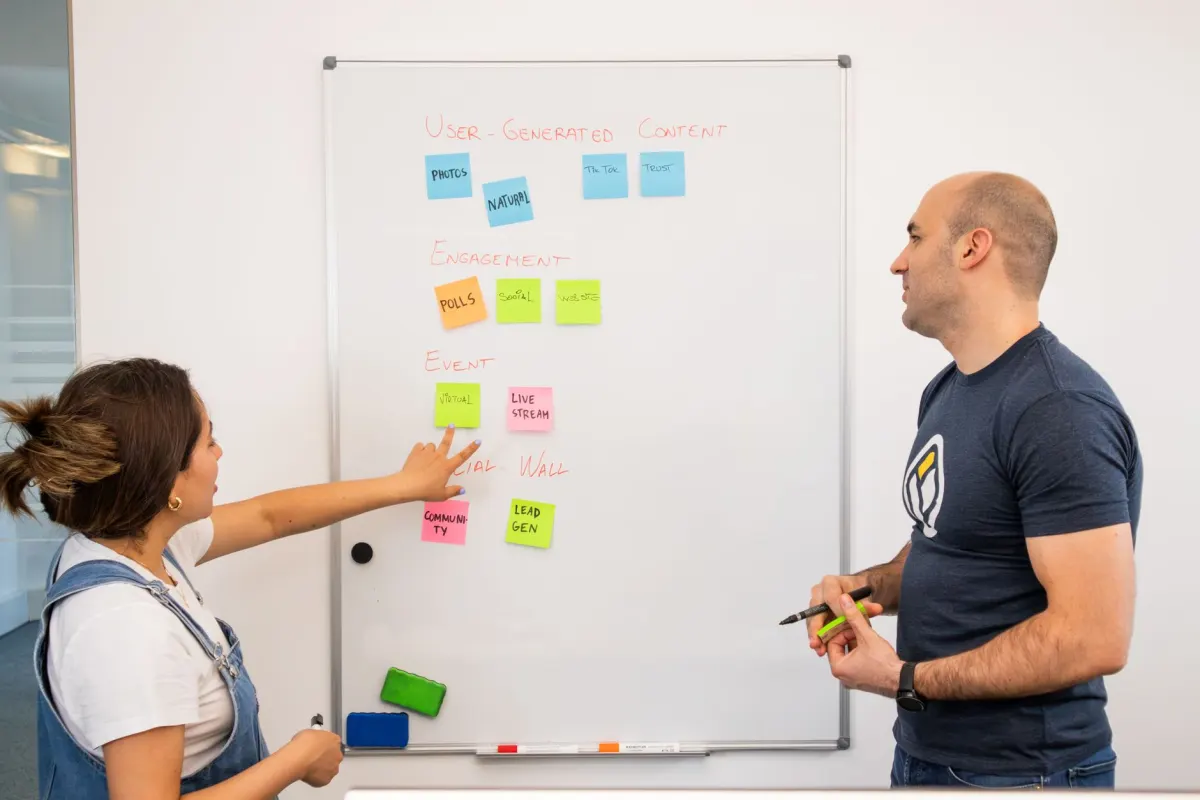
Surveys, polls, and interviews give you information that analytics cannot provide. Ask your audience directly about their preferences, challenges, and expectations. Instagram Stories polls, Twitter/X polls, and email surveys are low-friction ways to gather this data.
Building Audience Personas
Transform your audience analysis into actionable personas, fictional representations of your ideal audience segments. Each persona should include:
- Demographics: Age range, location, occupation, income level
- Psychographics: Values, interests, lifestyle, personality traits
- Online behavior: Preferred platforms, content consumption habits, posting frequency
- Pain points: Challenges and problems they face that your brand can address
- Goals: What they are trying to achieve personally or professionally
- Content preferences: Formats, topics, tone, and length they respond to
Create three to five personas that represent your primary audience segments. Use these personas to guide every content and campaign decision.

AdaptlyPost
Start Your 7-Day Free Trial
All-platform analytics
Social Inbox
AI-powered assistant
Applying Audience Analysis to Social Media Strategy
Content Planning
Match your content topics, formats, and tone to what your analysis reveals your audience wants. If your audience primarily engages with educational content, prioritize tutorials and how-to posts. If they respond to entertainment, lean into trending formats and humor.
Platform Selection
Focus your efforts on platforms where your audience is most active and engaged. Audience analysis shows whether your target demographic is highly active on TikTok but barely uses LinkedIn, or vice versa.
Posting Schedule
Use audience activity data to schedule content for the hours when your followers see and engage with it most. This varies significantly by audience segment and platform.
Messaging and Tone
Mirror the language, tone, and communication style that resonates with your audience. Professional audiences expect different messaging than casual consumers.
Frequently Asked Questions
How often should I conduct audience analysis?
Perform a comprehensive audience analysis at least quarterly, with ongoing monitoring of analytics data monthly. Audience preferences and behaviors shift over time, and regular analysis ensures your strategy stays aligned.
What is the difference between audience analysis and market research?
Market research examines the broader market landscape, including industry trends, competitor positioning, and market size. Audience analysis focuses specifically on understanding the people you want to reach. They are complementary processes, with audience analysis being a subset of broader market research.
Can I do audience analysis with a small following?
Yes. Even with a small following, you can analyze engagement patterns, conduct surveys, study competitor audiences, and use social listening to understand your target market. Small audiences often provide more accessible qualitative insights because you can interact directly with a higher percentage of followers.
What tools are best for audience analysis?
Platform-native analytics are a strong starting point. For deeper analysis, social listening tools, survey platforms, and third-party analytics solutions provide additional depth. The best tool depends on your specific needs and budget.
How do I know if my audience analysis is accurate?
Validate your analysis by testing content and strategies based on your findings. If content designed for your identified audience consistently outperforms generic content, your analysis is on track. If results do not match expectations, revisit your data and assumptions.
What is the difference between audience analysis and audience personas?
Audience analysis is the research process, the demographics, behaviors, interests, and pain points you gather from platform data, surveys, and listening tools. Personas are what you build from that research: fictional representations of your ideal audience segments that turn scattered data into a profile you can design content around. Analysis feeds the personas, not the other way around.
How many audience personas should I create?
Aim for three to five personas that represent your primary audience segments. Fewer than that risks treating a varied audience as one group, while more than five fragments your content strategy without adding useful distinction. Each persona should be detailed enough to guide real content and campaign decisions.
What should an audience persona include?
A complete persona covers demographics such as age range, location, occupation, and income, alongside psychographics like values, interests, and personality traits. It should also note online behavior, pain points your brand can address, goals, and the content formats, topics, and tone that persona responds to. Skipping any of these leaves gaps in how you target content.
What is social listening in audience analysis?
Social listening means monitoring conversations about your brand, industry, and competitors across social platforms. It surfaces the topics your audience discusses organically, how they feel about products and trends in your space, the language they actually use, and complaints or needs that go unmet. That makes it useful for catching sentiment that platform analytics alone will not show.
How does audience analysis improve ad targeting?
Paid social campaigns perform better when targeting parameters come from solid audience research instead of broad assumptions. Knowing your audience's demographics, interests, and behavior lets you set parameters that reach the people who actually respond, rather than a wide net that just spends budget on views. That precision is what separates targeting built on evidence from targeting built on guesswork.
Understand Your Audience Better with AdaptlyPost
Audience analysis is only valuable when it informs action. AdaptlyPost provides the analytics and scheduling tools you need to turn audience insights into effective social media content. Track what resonates, optimize your posting strategy, and build deeper connections with the people who matter most to your brand.
AdaptlyPost
Start Your 7-Day Free Trial
All-platform analytics
Social Inbox
AI-powered assistant
Was This Article Helpful?
Let us know what you think!
See us more often in Google
One click marks AdaptlyPost as a preferred source, so our articles sit higher in your Top Stories, AI Mode, and AI Overviews.
Before you go...
AdaptlyPost
Schedule your content across all platforms
Manage all your social media accounts in one place with AdaptlyPost.
All-platform analytics
Social Inbox
AI-powered assistant
Related Glossary Terms
Make AI Content Creation Work With Human Judgment
Treat AI content creation as a drafting tool and it saves hours. Where it works for social, the guardrails that protect brand voice, and what to fact-check.
Choose Top Analytics Metrics Across the Funnel
Awareness, engagement, and conversion numbers rarely tell one story. A metrics analysis example showing which figures to pair and which to ignore.
A Practical Overview - Audience Analytics Media
Follower counts say almost nothing. The audience analytics media teams rely on cover demographics, behaviour, and engagement, plus where each metric lives.
Related Articles
A Practical Overview - B2C Social Commerce Platform
Business-to-Consumer means selling directly to individuals, and a B2C social commerce platform is where that now happens: feed, checkout, and all.
Explained Clearly - Batching Means
Context switching is the real cost. What batching means in practice, which tasks group well together, and how one session can cover a whole month.
Explained Clearly - Body Copy
Headlines earn the click; body copy earns the action. How to structure it for ads and social, keep it scannable, and cut it down without losing the argument.